
Food, glorious food!
 Cllr Danny Brookes promotes the use of caddies for food waste
Lincolnshire embraces the new food waste collections with the majority of homes getting on board.
Food waste collections are off to a strong start across Lincolnshire, with residents in the City of Lincoln, North Kesteven, South Kesteven and West Lindsey already making a real difference.
Since launching at the end of March, households have embraced the new weekly service, using their caddies to recycle everyday items like peelings, plate scrapings and tea bags. In the first four weeks, an impressive 950 tonnes of food waste was collected across the four districts.
This material is taken to an anaerobic digestion facility, where it is transformed into valuable resources. From the food waste collected in the first month, enough energy was generated to power the equivalent of 1,918 homes for a month and produce 807 tonnes of nutrient-rich biofertiliser for local farmland, helping to close the loop by returning valuable nutrients back to the soil.
Participation has been encouraging, with the majority of households presenting their caddies for collection. And reaction has been positive, with many residents highlighting how simple and convenient the service is to use. Crews are reporting growing confidence from residents as the service becomes part of weekly routines.
Cllr Danny Brookes, chairman of the Lincolnshire Waste Partnership, said:
“It’s fantastic to see so many residents getting involved so quickly. In just a few months, households across Lincolnshire have made a real difference by using their food waste caddies and helping to recycle more from home.”
Later this year, the service will expand further across East Lindsey, Boston and South Holland, helping even more residents to take part.
This is an important step in making better use of food waste and turning it into something beneficial for Lincolnshire.
A positive start
“What’s been especially encouraging is seeing how people are really embracing the service - from decorating their caddies so they don’t get mixed up, to building simple holders and coming up with creative ways to make it work in their homes.
“Thank you to everyone who has taken part so far and supported the crews as the service gets up and running.”
Did you know?
Recycling just one banana skin generates enough energy to recharge your mobile phone twice!
Find out more about food waste.
Story of success
 Oliver Blezard looks after the animals in the outdoor area.
SEND hubs are changing lives as a new chapter begins at St Michael’s School in Coningsby.
There’s a real buzz around St Michael’s School in Coningsby and it’s all thanks to a brand-new SEND hub that’s already transforming the lives of pupils, parents and staff alike.
Head teacher Emma Eden has big ambitions for the school’s specialist provision, with a clear vision to make St Michael’s ‘a beacon of excellence’ for SEND education in Lincolnshire.
The school, which is part of the Lincoln Anglican Academy Trust, welcomes more than 250 pupils each day. It is now also home to a dedicated hub currently supporting eight children who face challenges within mainstream education.
Since opening earlier this year, the impact has been immediate and inspiring. Funded through Lincolnshire County Council’s £14.5m investment in SEND provision across the county, the new facilities at St Michael’s have created a calm, nurturing environment tailored to pupils’ individual needs.
The hub features a forest school area complete with an outdoor classroom, alongside an intervention room, sensory room, life skills space and a quieter lunch lounge for children who may find the main hall overwhelming.
“The hub runs alongside the main school,” said Emma. “That’s really important because it gives every child a sense of belonging and community, helping them feel more relaxed and ready to learn.
“To be chosen to have a SEND hub is transformative for the children, the staff and the parents. I want this school to become a beacon of excellence for SEND provision and I think we’re well on our way.”
That transformation is already being seen in classrooms across the school. Hub leader Bethany Louth says children who once struggled to attend mainstream lessons are now thriving in full-time education.
She explained: “We had children here who simply could not cope in a mainstream classroom and were attending on reduced hours because of the challenges they faced. Now those same children are accessing full-time education, and seeing their progress is genuinely joyful.”
“Each child has a bespoke curriculum tailored to their needs, and we can offer that because of the fantastic pupil-toteacher ratio,” she said. “Some children previously weren’t engaging with school at all, but now they are actively learning and feel part of a real community.
“The parents are overjoyed with the progress being made. Watching these children grow in confidence and reconnect with education is incredibly special. You simply can’t put a price on that.”
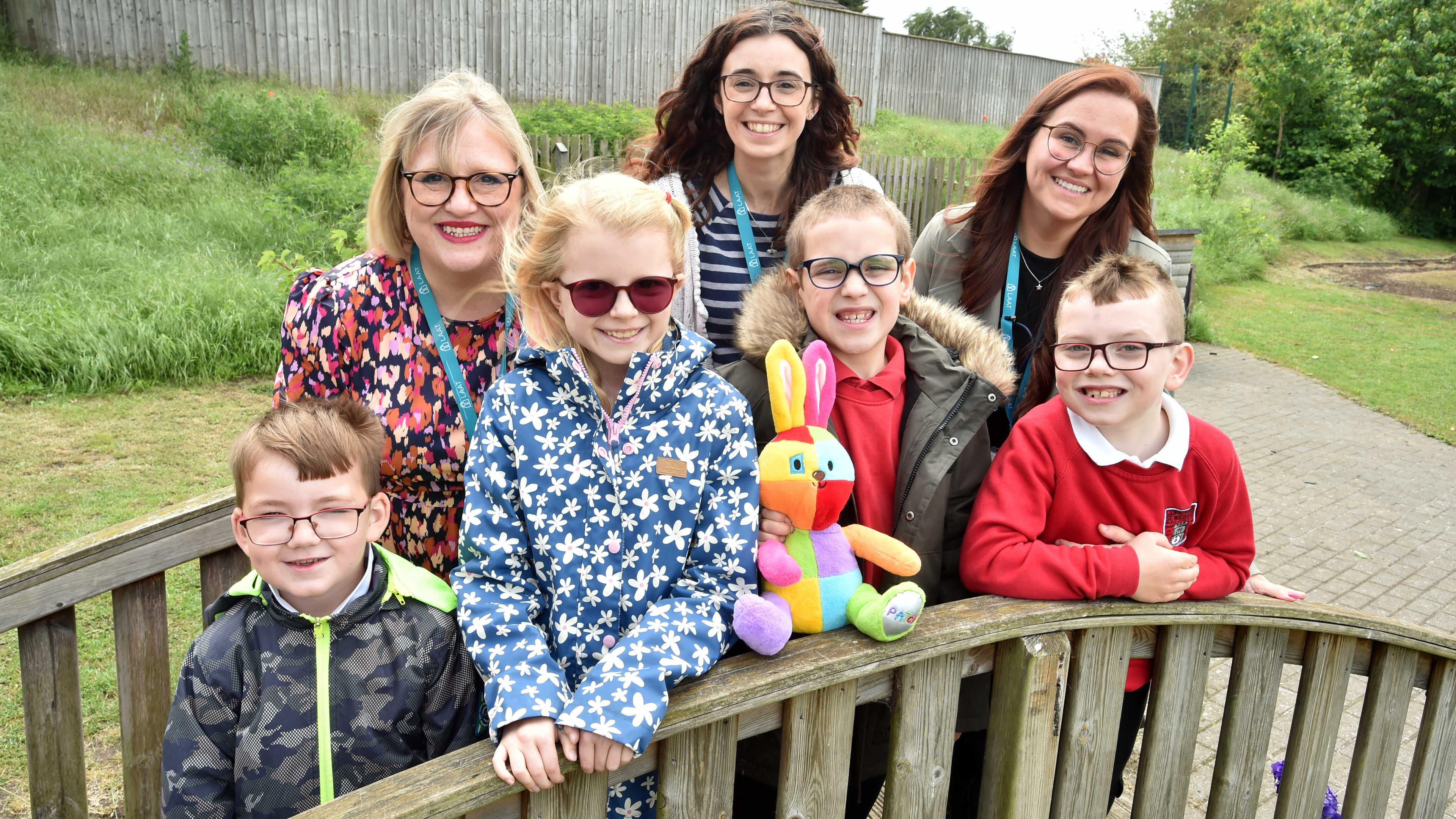 Headteacher Emma Eden, hub leader Bethany Louth and hub teacher Bethie Harland with some of the children Owen Thomas, Florence Studholme, Mason Benton and Oliver Blezard
Hubs bring hope for county children
Cllr Natalie Oliver
When I became Lead Member for Children’s Services, it was apparent we needed to do much more for our SEND children – and fast.
Too many families were struggling to access the support they needed. Too many young people were travelling long distances for specialist provision. I was determined that improving SEND services would be a priority, and we’ve worked tirelessly to deliver meaningful change.
One exciting development is our Better Belonging Strategy, backed by a £14.5 million investment to create a network of SEND hubs across Lincolnshire.
These provide specialist support within mainstream schools, offering enhanced facilities, smaller class sizes and specially trained staff at the heart of our local communities.
We know many SEND pupils can thrive in mainstream education when the right support is in place, helping them reach their full potential.
11 hubs are now open across the county, including in Sleaford, Lincoln, Gainsborough and Grantham, providing much needed SEND places closer to home. They also offer temporary support to mainstream pupils who need extra help at key points in their education.
However, we aren’t stopping there. Improving local SEND provision remains one of my highest priorities. Four more hubs have already been approved, with others likely to move forward in the coming academic year.
Our ambition is clear: wherever possible, children should be able to access high-quality SEND support within their own community. While there’s more to do, I’m incredibly proud of the progress we’ve made and the opportunities we’re creating for our children and families.
The emotional cost of caring
 Dan Fleshbourne, seen with his wife Nicci, says his life has changed following a carer’s assessment
Carers assessment helps Lincoln man recognise his life of caring for others was causing damage to himself.
Dan Fleshbourne grew up fast – by the age of six, he took on the responsibility of caring for his mum who was struggling with her mental health, and also for two brothers who each had their own complex needs and conditions.
At eight years old, he was responsible for the family’s cleaning, cooking, shopping and the general emotional support for those who needed him. It was hard for a boy who was also coping with the demands of school and the world outside.
Now, he also cares for his wife Nicci, who suffers from a number of health issues, including type 2 diabetes and sacroiliac joint dysfunction. Caring for others has become a way of life for Dan – but it was starting to come at a cost.
“Over the years, caring for other people had a massive effect on my own mental and physical health,” explained Dan. “By the time I reached my mid-30s, I had ballooned to about 23 stone and I was struggling to cope with it all. Juggling all the different aspects wore me down and there were some very dark times.
“I really wasn’t coping very well and definitely wasn’t looking after myself and I remember sitting in my car and thinking: ‘I could just drive into a wall or something.’
Support is out there
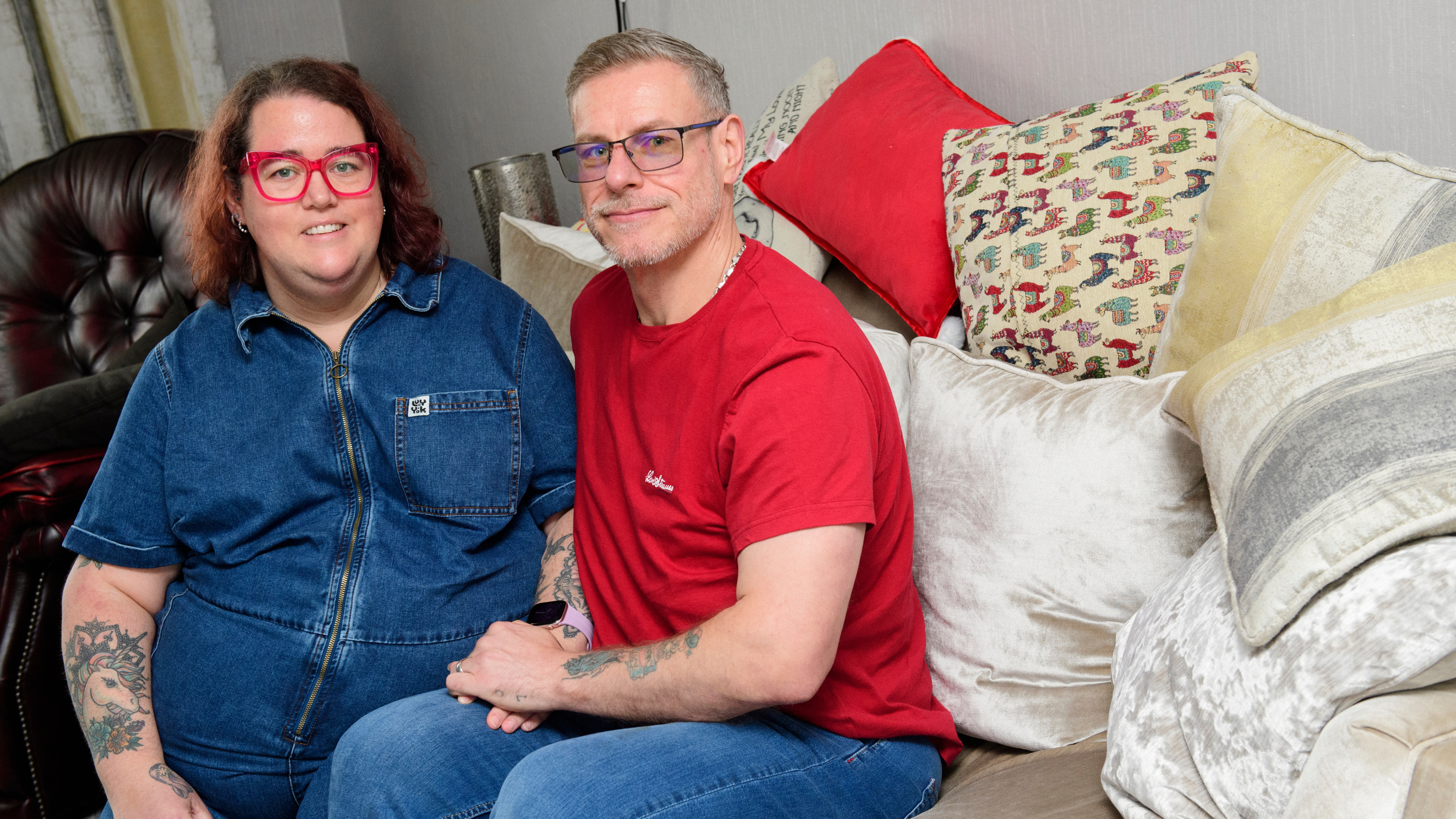
However, in 2018, during a visit from an occupational therapist for Nicci at the couple’s Lincoln home, Dan was told that he was eligible for a carers assessment.
A carers assessment is a conversation offered through the Lincolnshire Carers Service, giving carers the opportunity to reflect on their own situation and explore what might help them in their caring role and in their day-to-day life. All carers can access this support free of charge.
“I knew nothing about this at all at the time, but I knew I was desperate,” added Dan. “I was trying to juggle everything - my mum, my brothers, our kids, and Nicci’s needs. I was going from one crisis to another. When you are a carer, there are expectations on you, some of which you put on yourself. You either just carry on or you get swallowed up. I hadn’t noticed what it was doing to me.”
Such was the impact of Dan’s carers assessment that he now looks back on his life as two different phases - ‘pre assessment’ and ‘post assessment’. He admits to now having more balance in his life, even working as a mental health practitioner in a shift-based system that he can work around his caring commitments.
“Looking back, before I had the assessment, I think I had to get to a point where I was burned out before I found the strength and the support to make a change,” Dan added.
“But I would advise other carers not to get into that situation, there is support out there if you look for it. It’s easy to think that no-one other than you could care properly for your loved one, but that is not the case.”
To find out more about the range of support available, please visit www.lincolnshirecarersservice.org.uk.
Ensuring carers can’t be overlooked
There are an estimated 70,000 unpaid carers in Lincolnshire, supporting family members and friends who have a disability, a mental or physical illness or need extra help as they grow older.
They are the backbone of our communities. However, all too often the challenges they face can be overlooked.
Cllr Steve Clegg, executive member for adult care and health, said:
“Many carers can often feel overwhelmed. So, although there’s already support available, from both the council and its partners, our ambition is to do more.
“Earlier this year, we held a Carers Innovation and Improvement Workshop, bringing people together to look at how this can be achieved.
“We want to give carers a strong voice in shaping the services designed to support them, so they can feel the benefit in their daily lives. Because when carers thrive, the people they support thrive as well, creating a real win-win.
“Caring is a universal experience. At some point in our lives, every one of us will give care, receive care or both. That means this is about all of us.”
Cheers to volunteers!

Did you know that we have hundreds of volunteers across our area giving a fantastic contribution to supporting Lincolnshire County Council services?
They’re making their impact in many parts of the council and they can be found in areas including heritage, countryside, adult care and children’s services.
People get involved for a variety of reasons, such as improving well-being, making new friends, gaining valuable new skills and experiences, boosting self-confidence and supporting the community.
Earlier in the summer, we held a celebration to thank our volunteers. This was hosted by Lincolnshire County Council’s deputy leader Cllr Rob Gibson with the county council chairman, Cllr Mike Beecham.
Representatives from services across the council were represented at the event which was held at the Lincolnshire Show.
These included volunteers from:
- The Museum of Lincolnshire Life
- School appeals panels
- Countryside access
- Ready for Anything emergencies
- Lincolnshire Chalk Streams project
- Adult Care daytime opportunities service
- Enterprise advisers (supporting our Careers Hub)
We’re always looking for new people to join us, so if you’re interested in getting involved, please see our website for details of what’s on offer.
It doesn’t even matter if you aren’t sure what kind of unpaid work you’d like to do.
Just visit www.lincolnshire.gov.uk/volunteer and you could soon be embarking on a rewarding journey filled with new experiences, friendships, and personal growth!
Ready to make a difference? Complete our Expression of Interest Form to kickstart your volunteering journey. This form will help us match you with the perfect opportunity looking into your experience, skills, and aspirations.
Here we’re showcasing just a small number of our dedicated volunteers who represent the wide range of opportunities available.
Bringing history to life!
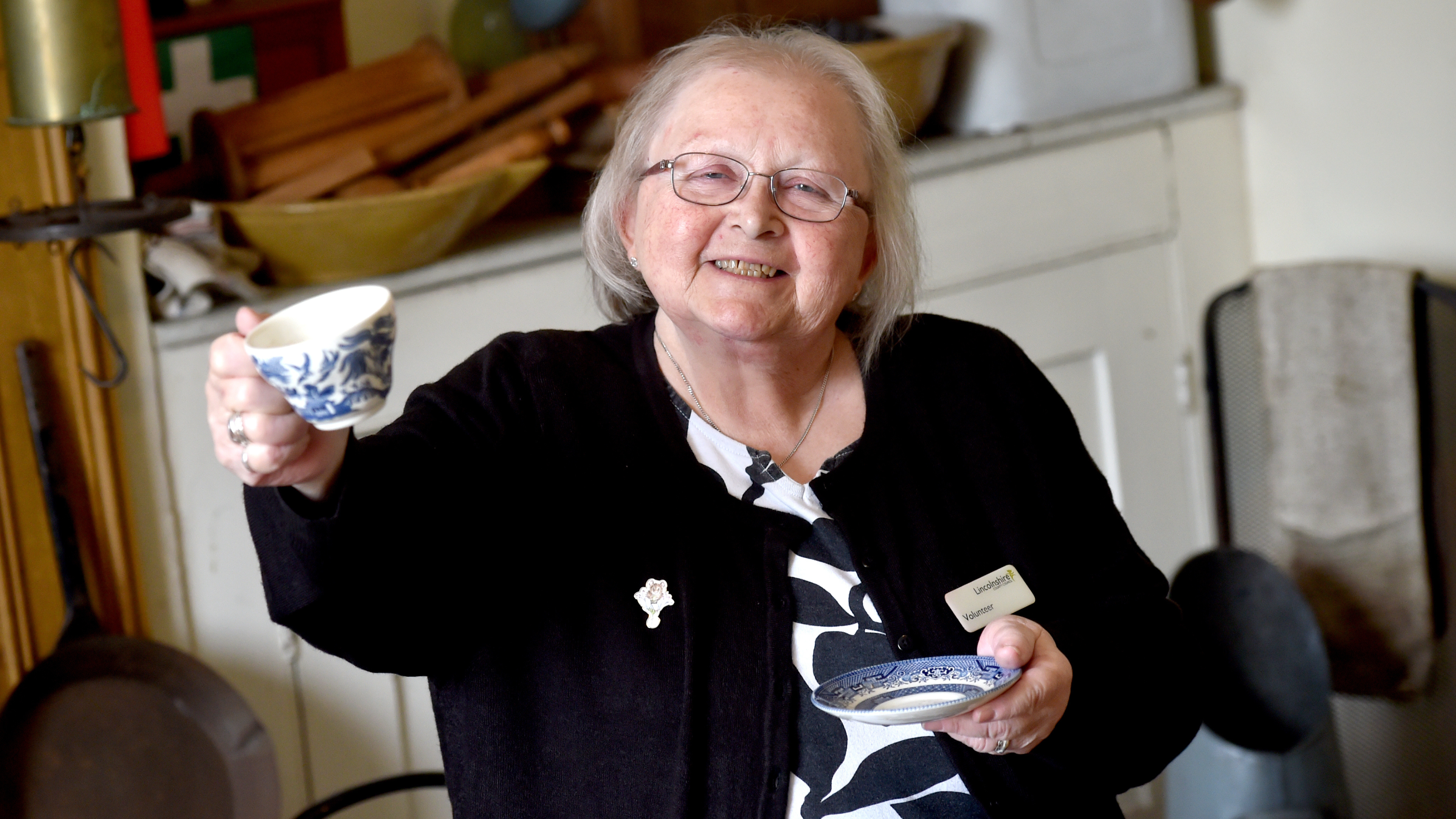 Volunteer Maxine Etcell
Helping visitors experience our past is a skill brought to the Museum of Lincolnshire Life by volunteer Maxine Etcell from Lincoln.
Over the past 10 years she’s taken on the role of a wide range of characters at the city-based heritage site.
At the venue’s living history events she has played a Victorian Psychic, explaining how the Victorians were obsessed with spiritualism, and a cook in the 1940s kitchen talking about recipes and rationing.
She has also sold traditional sweets in the Co-op room, explained superstitions during the Pirate events and spoken to visitors about Easter traditions.
And in the festive season she appears as Mother Christmas – a role which is very popular with the museum’s young visitors.
In addition, she recruits new volunteers, greets visitors and sells souvenirs in the museum shop.
Visitor experience manager, Steve Dunk, said: “Maxine is a very much valued volunteer who is always willing to get involved, has a love of people and history and is a great member of the team.”
Ensuring families are treated fairly
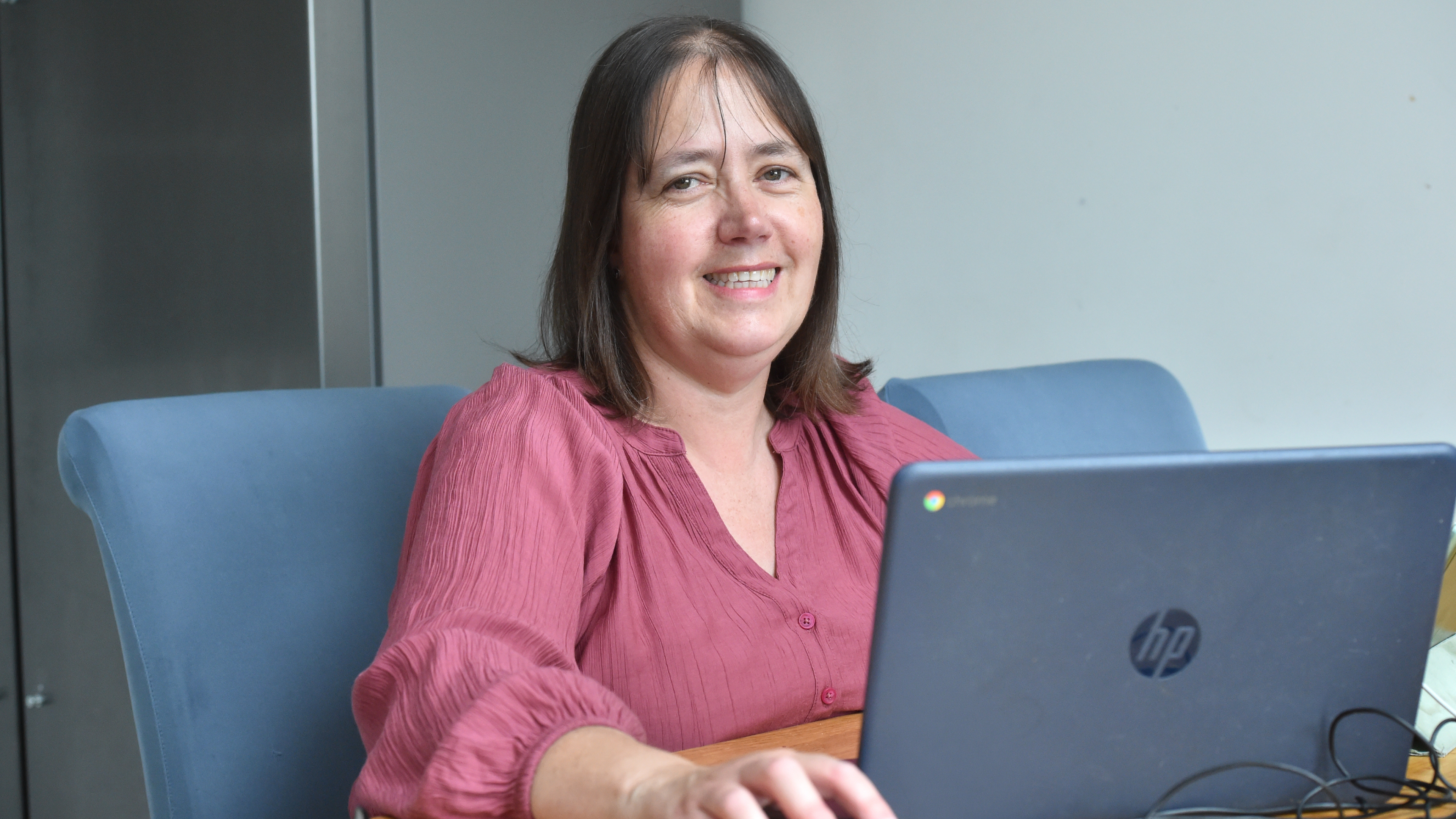 Samantha Bryant from Sleaford finds her work helping families very rewarding
There are some council functions that could not take place without the support of volunteers.
One of these is our school appeals panels. These are legally required to deal with families of pupils whose application for a place at a certain school has been unsuccessful.
Each panel has three fully trained members who consider cases remotely via a video call.
Samantha Bryant from Sleaford is the chair of schools appeals panels and has been volunteering on them for seven years.
“It can be very intense work and there’s a lot of preparation. At busy times of year we can be hearing several cases a day over consecutive days,” she said.
“I feel very honoured to be able to do this job – I find it so rewarding,” she explained. “The schools really value what we do and we also receive emails from families thanking the panel, even if they’ve been unsuccessful.”
Business Support officer, Ellen Healy, who oversees the appeals panel process said: “Appeals panels members have to be committed as this work can be very challenging.
“We simply wouldn’t be able to hold appeals without volunteers such as Sam.
Looking after our rural rights of way
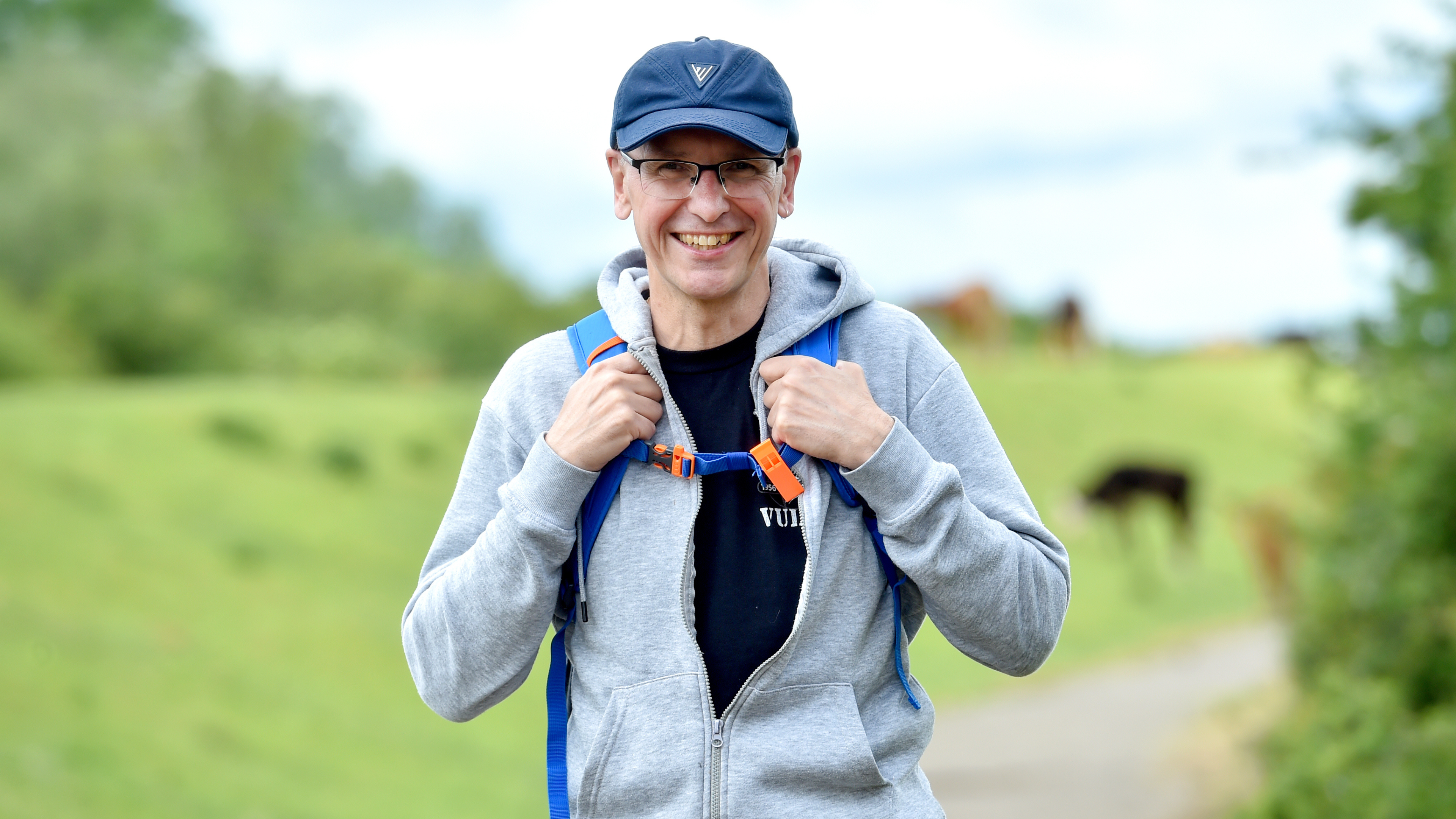 Ro Barltrop from Spalding finds volunteering interesting and satisfying - plus it keeps him fit
When you’re out enjoying our footpaths and bridleways, take a moment to think about our dedicated volunteers who work hard to ensure we can use them.
Across the county there are 62 volunteers who completed a mammoth 2174.5 hours last year to ensure our rights of way are kept open.
This includes replacing damaged waymarkers to ensure routes are easy to follow and removing vegetation overhanging gates, bridges and stiles.
Countryside access officer Debby Braund said: “Our volunteers play a really important role by being our eyes and ears on the ground.
“Between them they cover hundreds of miles a year, providing a valuable service that we would struggle to achieve without their commitment.”
Ro Barltrop from Spalding has been a countryside access volunteer for over two years and carries out the work one day a week.
He explained how he finds the work interesting as well as satisfying: “The role keeps me active and takes me to parts of Lincolnshire I would never normally visit, where I often meet walkers, residents and landowners with interesting knowledge of the local area and its history.
“I find it rewarding knowing that my work helps keep these paths open and accessible for everyone to enjoy.”
The sky’s the limit
 Squadron Leader Clive Rowley MBE shares stories of WWII with visiting children
Welcome investment sees BBMF flying into extraordinary year of milestones and improvement.
Lincolnshire’s famous Battle of Britain Memorial Flight (BBMF), based at RAF Coningsby, is reaching new heights during an incredible year of milestones.
Originally opened to showcase the UK’s priceless historic aircraft and honour the extraordinary men and women who flew and supported them, the BBMF is now flying into a landmark year.
March 2026 marked 50 years since the commemorative flight first touched down in Lincolnshire - and if that wasn’t enough, the much-loved visitor centre is celebrating 40 years of welcoming aviation fans through its doors.
Over the past 12 months, around 30,000 visitors have stepped inside to see the Lancaster, Spitfires and Hurricanes and to explore the wonderful stories behind these iconic aircraft. Now, thanks to a £70,000 investment from Lincolnshire County Council, the experience has had an exciting refresh.
Among the friendly faces ready to guide you through the BBMF experience is Squadron Leader Clive Rowley MBE - a man whose connection to the Flight runs deep.
After flying RAF fighter jets like the Tornado and the legendary Lightning, he’s clocked up 30 years with the BBMF, including 11 years as a fighter pilot and eventually becoming Officer Commanding.
Since 2006, he’s swapped the cockpit for the visitor centre, spending nearly two decades as one of the 45-strong team of guides sharing the stories that matter.
And for Clive, it’s more than just a role - it’s personal.“Working here is an emotional rollercoaster,” he said. “The BBMF means so much, not just to us, but to the visitors too. It’s not just the planes, although they are wonderful, it’s the people and the
memories they carry.”
Visitors often arrive searching for a connection to their past, bringing along logbooks, photos, or simply family stories.
And when they see an aircraft their relatives may have flown in during WWII, the emotion can be overwhelming.
“We see people become quite emotional,” Clive explains. “It’s a real connection to history. Even those who didn’t expect to be captivated like partners tagging along for the day find themselves drawn in.
“You’d be surprised how many say they only came because of their husband, but leave truly moved by the human stories behind the aircraft.”
With major anniversaries, a refreshed visitor centre, and numerous stories waiting to be told, there’s never been a better time to visit the BBMF.
Whether you’re an aviation enthusiast or just curious about the past, one thing’s certain – you will leave with a deeper appreciation of the people who shaped history and the aircraft that still keep their legacy alive.
Plan your visit to the revamped centre at www.lincolnshire.gov.uk/bbmf.
Keeping stories alive
 Cllr Natalie Oliver enjoying her visit to the centre
The Royal Air Force Battle of Britain Memorial Flight (BBMF) consists of 11 historic, airworthy aircraft.
The famous Avro Lancaster is currently away undergoing maintenance, due to return to the Flight next year. Yet, still available to view are also five Supermarine Spitfires, two Hawker Hurricanes, a Douglas C-47 Dakota, and two de Havilland Chipmunks.
These aircraft are impressive enough on their own, but put them together with their fascinating stories of heroism and you have a memorable visitor experience.
Executive councillor for culture, Cllr Natalie Oliver, said: “It is an absolute privilege to host the Battle of Britain Memorial Flight in Lincolnshire,honouring the brave men and women who defended our skies and fought for our freedom.
“Through this investment, we are protecting and promoting our county’s proud aviation heritage, ensuring those sacrifices are never forgotten. As we celebrate this milestone, I’d like to say a special thank you to our Royal Air Force colleagues, and to our incredible volunteer tour guides, who keep the stories alive with tremendous passion and dedication.”
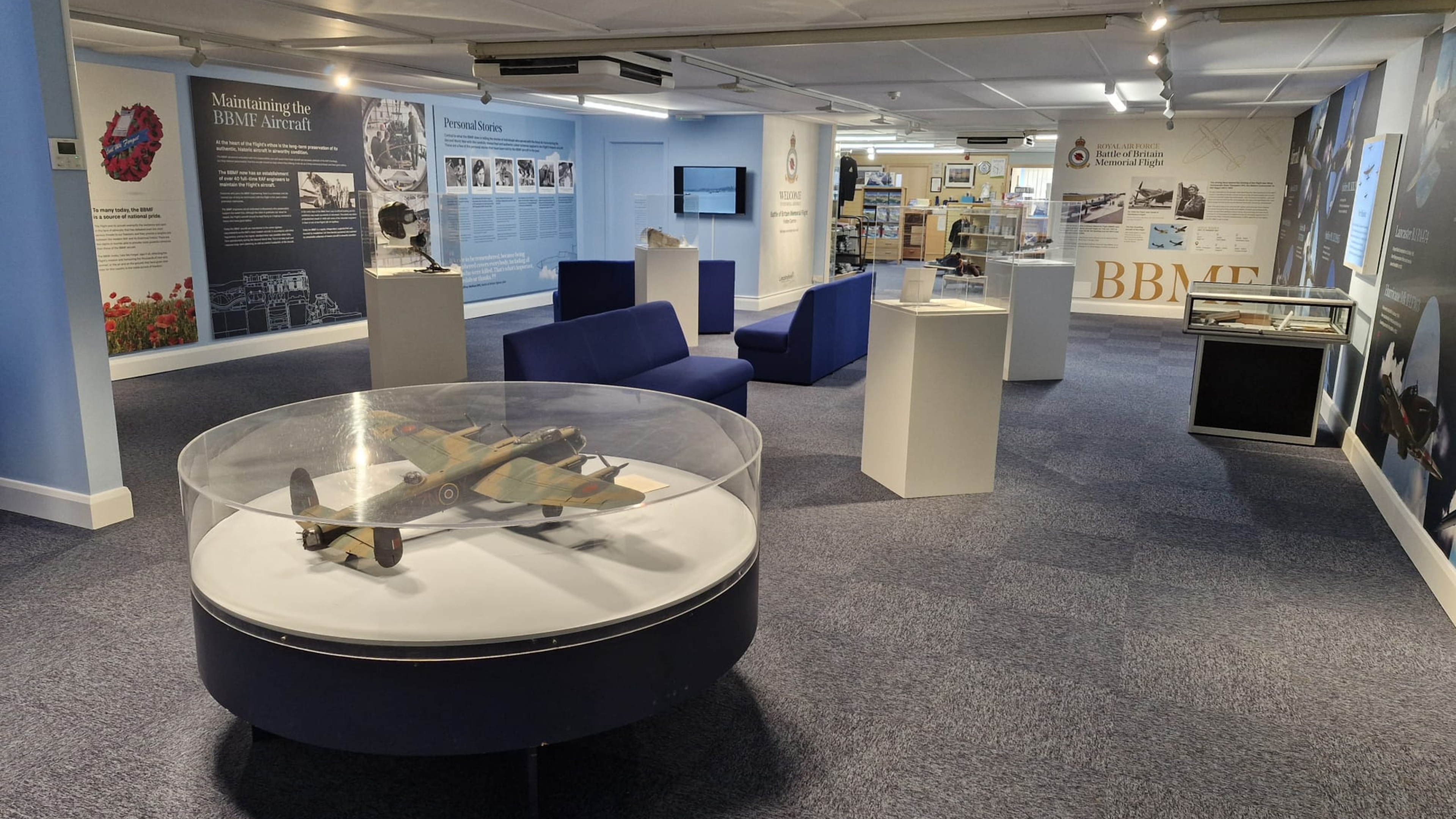 The revamped BBMF Visitor Centre
The amazing ‘tail’ of an unexpected flight
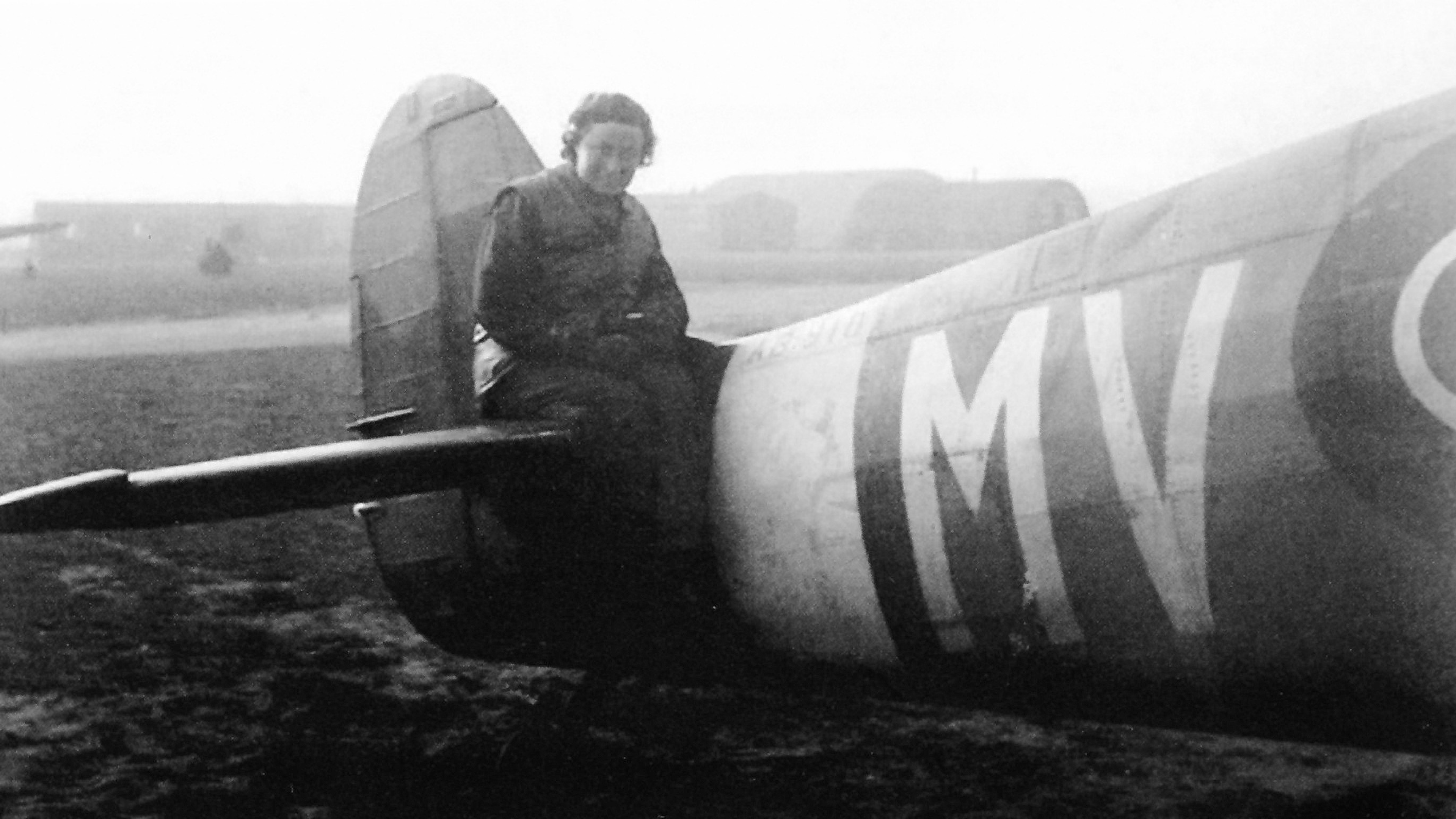 Margaret Horton sitting on the tail of a Spitfire
This is the story of a routine job gone wildly wrong, and the bravery of a woman who thought she faced certain death.
In 1945, Margaret Horton served as a mechanic with Britain’s Women’s Auxiliary Air Force (WAAF) at RAF Hibaldstowe in North Lincolnshire. One unusual element of her job was to sit on the tail of a Spitfire to keep the aircraft stable while taxiing to the runway.
One blustery day, Horton climbed onto the tail of Spitfire AB910 – which is one of the current stars of the BBMF.
Margaret planned to hop off before take-off, as usual. But something went wrong. The pilot, Flt.Lt. Neill Cox, didn’t know she was on the tail and, unable to see her from his cockpit, he took off with Margaret hanging on for dear life.
Years later, Margaret recalled the moment, saying: “The violently increased rate at which we were taxiing told me that something was wrong. I threw myself across the fuselage and tried to move the plane’s elevator to get the pilot’s attention.”
At 600 feet, she felt the blood rush to her head and she believed that she was already dead. “I’ve muffed it for the last time,” she thought.
Meanwhile, in the cockpit, Flt.Lt. Cox was struggling to control the aircraft with Margaret’s weight on the tail and her grip on the elevator. He radioed in a mechanical issue, but control tower staff, who had glimpsed Horton clinging to the tail didn’t tell him the truth. They feared it might cause confusion.
A short time later, Cox landed the Spitfire as smoothly as possible.
Horton slipped off the tail, staggered a few steps, then ran back to retrieve her beret, which had miraculously stayed on through the entire flight and only fallen off on landing.
From heartbreak to hope
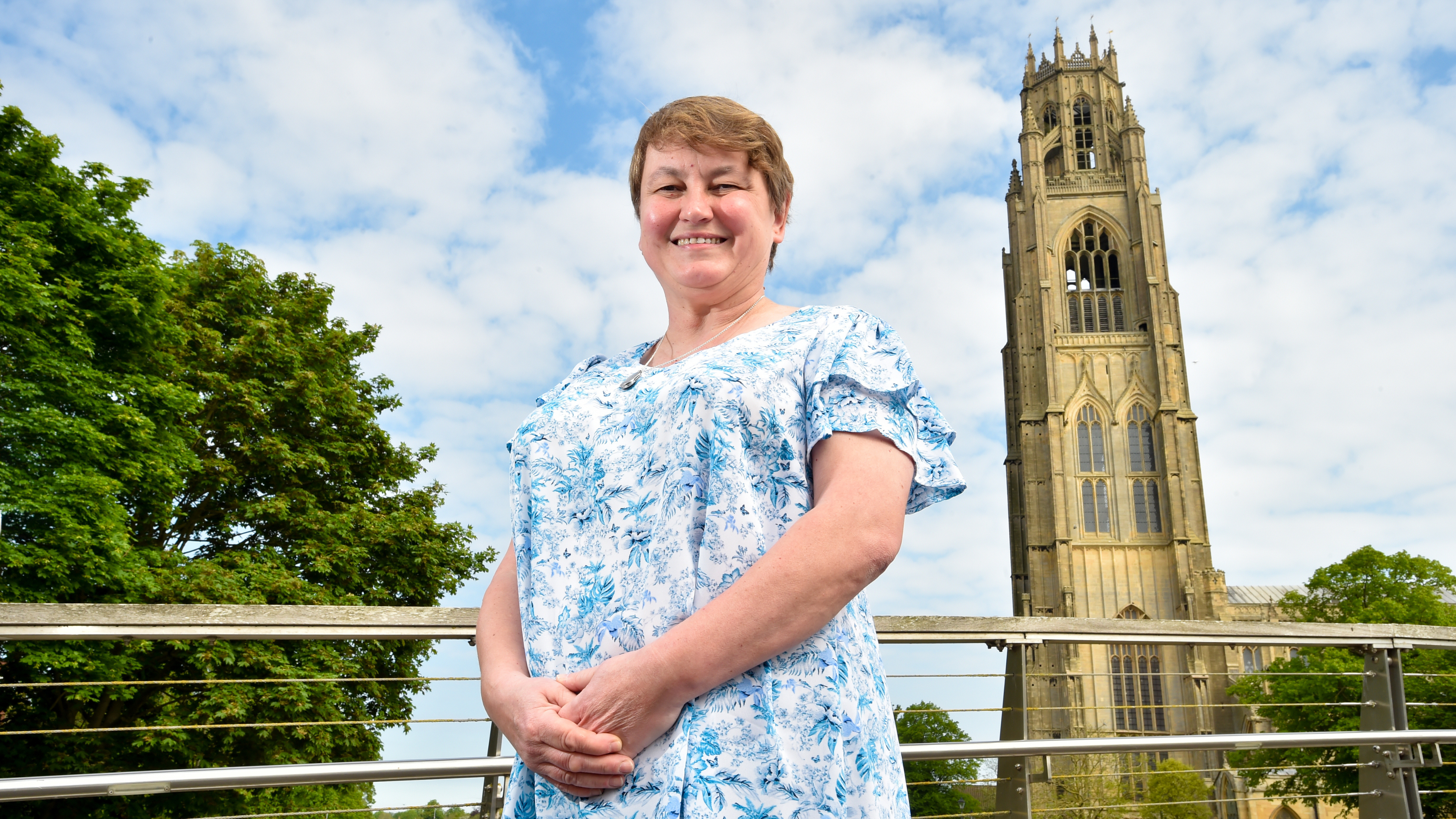 Cllr Cullen is vice chair of the Adult Care Scrutiny Committee and sits on the Health and Wellbeing Board
Boston councillor follows the final wishes of her son, to support others with terminal cancer.
Magdalena Cullen believes she would never have become a county councillor had it not been for the tragic death of her son Josh, aged 27.
His dying wish was that she should ‘stay strong’ and help others that have been given a similar devastating cancer diagnosis. And, after her election victory in 2025, Cllr Cullen has positioned herself to do just that – starting with her Boston North division.
“I don’t think I would have ever put myself forward for election had it not been for Josh encouraging me to do so,” she said.
“He was well aware of how low I was due to his diagnosis, especially in the weeks before he died. But he encouraged me to help others who were going through the same thing and so that’s what I want to do.”
Magdalena grew up in a village called Ratiskovice in the Czech Republic. But even as a child, her dream was to make a life in the UK. And, at the age of 19, she followed her dream and took up a job as a nanny for a family in Nottingham.
She later married and started a family of her own, having a son and a daughter while settling into her local community.
Magdalena had various jobs, including driving, retail and as a translator. Magdalena nurtured an interest in politics when helping with canvasing for local elections. But it was the heartbreaking experience with son Josh which provided a real motivation. And when the time came, Magdalena found the will to go for it. “I was asked if I would be interested in standing in the county council elections and I jumped at the opportunity,” she said.
Locally, Cllr Cullen has so far worked with charities such as Wyberton Wombles making a real difference to the environment in the local area. She also holds monthly surgeries and has made it her business to try to help other young people who have had a devastating cancer diagnosis through Connect to Support.
“I was elated that people put their trust in me during the elections and I amdetermined to do my best to improve the lives of people in my small part of the world,” she added.“
What's on your mind?

What if your voice could help shape the place you live?
Let’s talk Lincolnshire gives you the chance to have your say. It is where local people share their views, suggest ideas and take part in conversations about the future of their communities.
From how we travel, to health and education, your experiences help shape decisions that affect everyday life across Lincolnshire. To make informed choices, we need to hear from people with different experiences, including people like you.
Last year, over 15,000 voices helped influence council priorities and services. Real people making real change.
For example, through Let’s talk Lincolnshire, you told us that children with special educational needs and disabilities (SEND) need more specialist support in mainstream education. In response, five new SEND hubs have been approved in schools across Lincolnshire. These will offer more places, smaller classes and trained staff. The rest of this £7m investment will help improve support locally by autumn 2026.
Why join Let’s talk Lincolnshire?
- have your say on issues that matter to you
- stay connected to what is happening locally
- help shape services in your community
Joining is simple
Just visit Let’s talk Lincolnshire and register.
Streetwise!
 Pinchbeck during the recent Surfleet Road works
How we keep roadwork disruption to a minimum.
Lincolnshire sees around 70,000 street works every year. That includes emergency repairs, utility upgrades, new developments and maintenance. That’s a lot of roadworks!
To manage this, we introduced the Lincolnshire Street Works Charter - an agreement between all the organisations that carry out works on the highway, to keep disruption to a minimum.
What should happen?
The charter means work should be coordinated and should consider the wider impact on the network. Over the past year, this approach has led to around 300 joint schemes. And fewer separate closures means fewer delays for drivers.
What else is better?
Signage should now be clearer with things like QR codes that allow residents to give feedback.
When disruption is too much
Anyone who travelled through Pinchbeck during the recent Surfleet Road works will certainly remember the disruption. Road closures were supposed to be short-term for a developerled project. But traffic slowed to a crawl, diversions were frustrating and residents were understandably annoyed as the project continued longer than planned.
The delays were caused by a mix of difficult ground conditions, persistent bad weather and unexpected complications with underground infrastructure. But this wasn’t the fault of locals so we intervened, issuing an overstay penalty and pressing for stronger action on site.
Cllr David East, executive councillor for highways and transport, said: “While some of the delays were unavoidable, the level of impact was not acceptable. That’s why we stepped in. Our priority is always to protect residents, keep Lincolnshire moving, and ensure that organisations working on our network meet the standards we expect.”
Surfleet Road is a reminder of how unpredictable highway works can be. Even well planned schemes can run into problems once crews start digging.
The team behind the scenes
Our inspectors and coordinators are out on the network every day. Last year they carried out more than 38,000 inspections.
Their job is to make sure works are safe, compliant and progressing properly.
When they are not, we step in. Penalties are used to raise standards and prevent repeat issues.
Keeping the public informed
Residents can check upcoming works at www.lincolnshire.gov.uk/roadworks or on our social media channels.
Staying informed helps people prepare, reduces frustration and helps people know what to expect.
We recognise the impact that roadworks have on everyone using our roads, but we are working to reduce disruption. And we will hold companies to account when standards fall short.
Off to a flying start
 Cllr Natalie Oliver oversees the launch of the new service, with members of the community group Carolyn Smith, Denise Cox, Sharron Tonge, Carole Blondel; supporting councillor Bayleigh Robinson and Cllr David East, executive member for transport
New B617 bus service brings fresh connections to rural Lincolnshire.
Rural communities are now benefitting from a new bus route running Monday to Saturday that links Metheringham, Billinghay, Woodhall Spa, Horncastle and Lincoln.
The service takes its name from the legendary ‘617 Dambusters’ Squadron, once based in Woodhall Spa and famed for flying the iconic Lancaster aircraft.
Designed to support residents with everyday life, it offers easier journeys for work, shopping and leisure - opening up more flexible travel options.
Local Lincolnshire County Councillor for Horncastle and Woodhall Spa, Cllr Natalie Oliver, said: “This is a terrific thing to have been able to provide for the community and a fitting tribute to the area’s rich aviation heritage.
“This is a great example of us listening to the community and working with a local bus company to literally put the wheels in motion! I hope the service is used by a lot of people in the coming months.”
The new service’s timetable brings more frequent and consistent journeys. The B617 also strengthens onward connections. Passengers can link at Horncastle to the IC56 service for Skegness, and at Woodhall Spa to the B5 route for Boston, making longer journeys easier for work, education or days out.
For local businesses, the benefits are already clear. Sharron Tonge, co-owner of Sweet Emporium in Woodhall Spa, said:
“The new B617 bus service is a fantastic boost, making it easier for more people to visit our beautiful village and support independent businesses like ours.
“Better transport means more visitors and a further chance to shine a light on Woodhall Spa as a tourist destination.”
Cllr David East, executive member for Highways at Lincolnshire County Council, added: “This new service will not only be a lifeline for many, but will also boost connectivity. Our coming together to make the B617 a reality strengthens the local economy and has the added bonus of easing parking pressures.
“I am delighted that we listened and then acted to provide this service with a local bus company.”
The brand new service, run by Brylaine, is funded through the Department for Transport’s Bus Service Improvement Plan and will run initially for six months, with passenger numbers monitored.
The new B617 service
From Billinghay:
- 5 journeys a day to Lincoln and Metheringham
- 6 journeys a day to Woodhall Spa and Horncastle
From Woodhall Spa:
- 6 journeys a day to Billinghay
- 5 journeys a day to Lincoln and Metheringham
- 6 journeys a day to Horncastle
Singing, smiles and special memories
 Members of Music for the Memory group
For more than a decade, Music for the Memory has been bringing people together through the power of song.
Founded in 2012, the North Hykeham group offers a welcoming and relaxed space for people living with dementia and their carers to enjoy music, friendship and support.
What began as a simple idea has become a much-loved community gathering where laughter is just as important as the singing.
“It is truly a magic moment when a person with dementia, who may struggle to find their words, sings a whole song from the 1960s,” said Rachel Button, one of the group’s leaders. “It brings a smile to the faces of carers and volunteers alike.”
The group meets on the first and third Monday of every month at The Ark, Moor Lane, North Hykeham, starting at 1.30pm.
After a gentle warm-up, members work their way through a varied songbook featuring everything from traditional favourites and popular classics to songs from the shows.
Chrissy Burn accompanies the singers on keyboard while Linda Hoenes projects the lyrics onto the wall, making it easy for everyone to join in.
Run entirely by a dedicated team of volunteers, the group is largely self-funded, with members asked to contribute just £1.50 per session. The benefits go far beyond the singing itself.
Every few months, members swap the rehearsal room for a trip to a garden centre, where coffee, cake and conversation provide even more opportunities for companionship and mutual support.
For more information contact:
Linda Hoenes – lhoenes47@gmail.com
Chrissy Burn – 07751 349357
How are you Lincolnshire?

Being connected to people in your community is an important part of staying well.
In Lincolnshire, H.A.Y. (How Are You) Lincolnshire is helping residents find the support, activities and opportunities available right on their doorstep.
H.A.Y. Lincolnshire is a free online directory that brings together a wide range of local services in one place. From social groups and community activities to support for mental health and long-term conditions, it helps people discover what’s available and take the first step to getting involved.
Residents can explore local Wellbeing Hubs and Night Light Cafés, access practical wellbeing advice, and find support with employment, housing and finance as well as other useful information, including services for veterans.
There are also opportunities to volunteer or take part in community projects, helping people feel more connected and supported.
The directory is also a valuable resource for carers, volunteers and professionals, making it easier to guide people towards the right support when they need it.
By connecting people with local services and each other, H.A.Y. Lincolnshire is supporting stronger, healthier communities across the county.
Books and beats
 Read to the Beat illustrations by Harry Woodgate, illustrations and logo © The Reading Agency 2026
Help your child fall in love with reading this summer.
The Reading Agency’s Summer Reading Challenge is back! ‘Read to the Beat’ is a FREE, fun-packed way to keep kids reading and learning all summer long.
Celebrating the joy of music by inspiring children to explore stories through song, they will discover how reading and music can ignite their imagination and creativity.
It’s so easy to take part! Children aged 4-11 simply need to register at their local library or participating Community Hub* and read six or more books of their choice.
There are rewards to collect along the way and even a certificate and medal to win when they complete the challenge. Younger siblings can also join in through a special Mini Challenge.
Taking part brings huge benefits with 95% of children saying they read more after completing the challenge. Research shows that reading by choice is the single biggest indicator of a child’s future success - boosting their wellbeing, self-confidence and learning, as well as future earnings and employment opportunities.
2026 is The National Year of Reading, the biggest campaign in a generation designed to help more people (re)discover the joy of reading and make it a part of their everyday lives. So go all in, support the Summer Reading Challenge and encourage your child to join the reading fun at their local library.
The Summer Reading Challenge launched on 4 July and runs in the following core libraries until 5 September: Boston, Bourne, Gainsborough, Grantham, Horncastle, Lincoln Central, Long Sutton, Louth, Mablethorpe, Market Rasen, Skegness, Sleaford, Spalding, Stamford and Woodhall Spa.
Children can also join in at the following Community Hubs:
- Alford
- Bracebridge Heath
- Branston
- Burgh le Marsh
- Cherry Willingham
- Crowland
- Deepings
- Donington
- Holbeach
- North Hykeham
- Pinchbeck
- Ruskington
- Scotter
- Spilsby
- Swineshead
- Waddington
- Welton
Why join in?
It’s free at local libraries and:
- It helps inspire a lifelong love of reading
- It boosts confidence, creativity, and imagination
- It helps children get set for a great start to the new school year
- It’s fun for the whole family. Visit your local library together and join in with free Summer Reading Challenge events and activities
Flying in to a new role
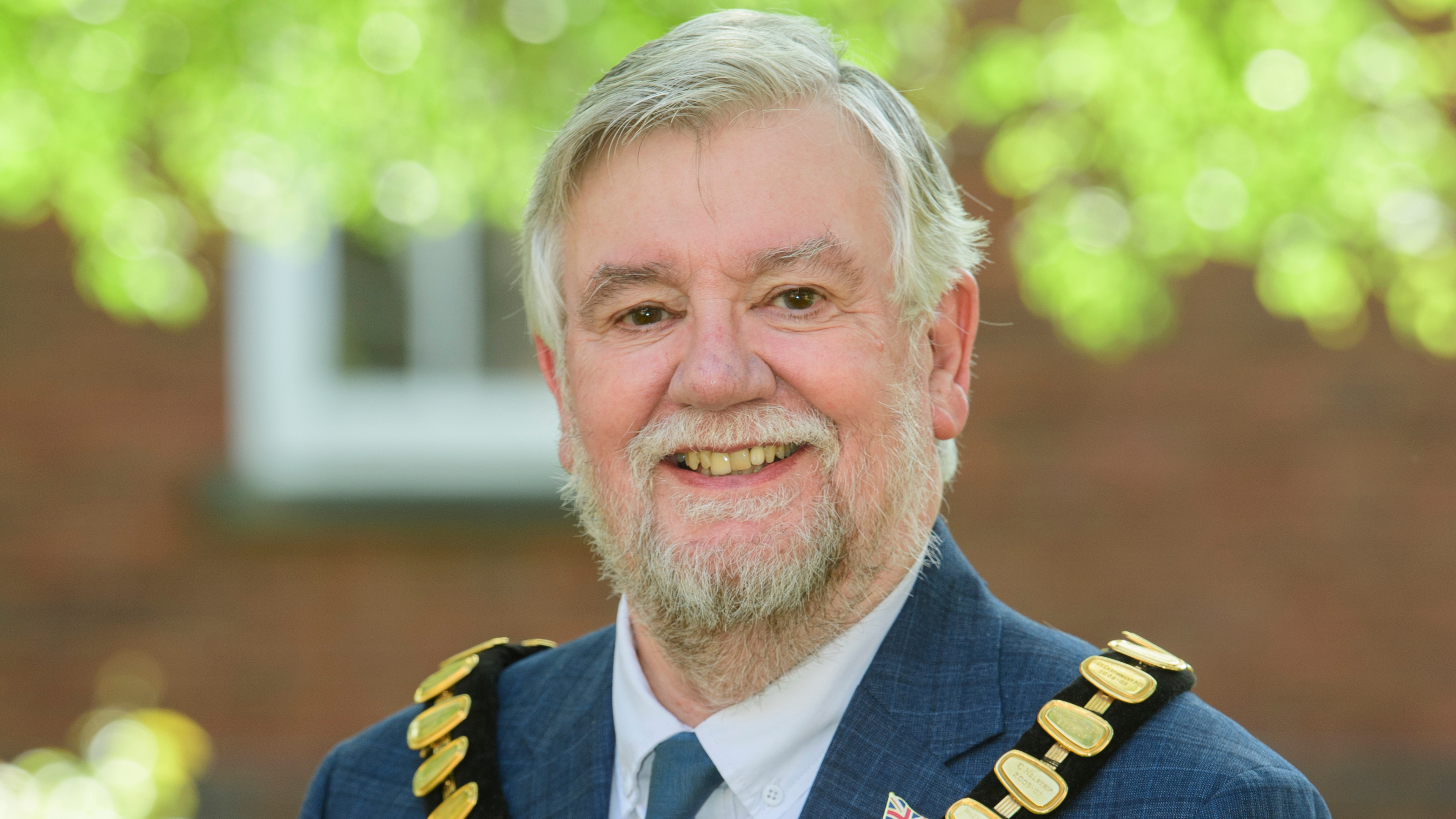 Mike Beecham Chairman at Lincolnshire County Council
Former glider pilot Mike Beecham will be at the controls for the next year as he begins his new role as chairman at Lincolnshire County Council.
Tasked with leading council chamber proceedings for the next 12 months, Cllr Beecham, who takes on the role from outgoing chairman Cllr Stephen Bunney, says he wants to make sure the flight path is clear for the council this year.
The former beekeeper, who is the elected councillor for Alford and Sutton, has always had an interest in local politics but actually decided to do something about it when he returned to Lincolnshire from Taunton to live in Horncastle some 20 years ago.
“I started to attend town council meetings, just as a member of the public, but a vacancy came up and I was co-opted onto the council in 2019,” he said. “I enjoyed the involvement very much and eventually became Mayor of Horncastle in 2024, which was an absolute privilege.”
As well as overseeing council meetings, the role of chairman is a civic, non-political role, in which Cllr Beecham will act as ambassador for the council at a number of events throughout the year.
Money raised during his time at the helm will be donated to Lincs and Notts Air Ambulance. “It’s hard to believe that this vital emergency service doesn’t receive funding from central government, it survives purely on fund-raising and donations and it is very important that it does survive,” he said.
Think before you throw away
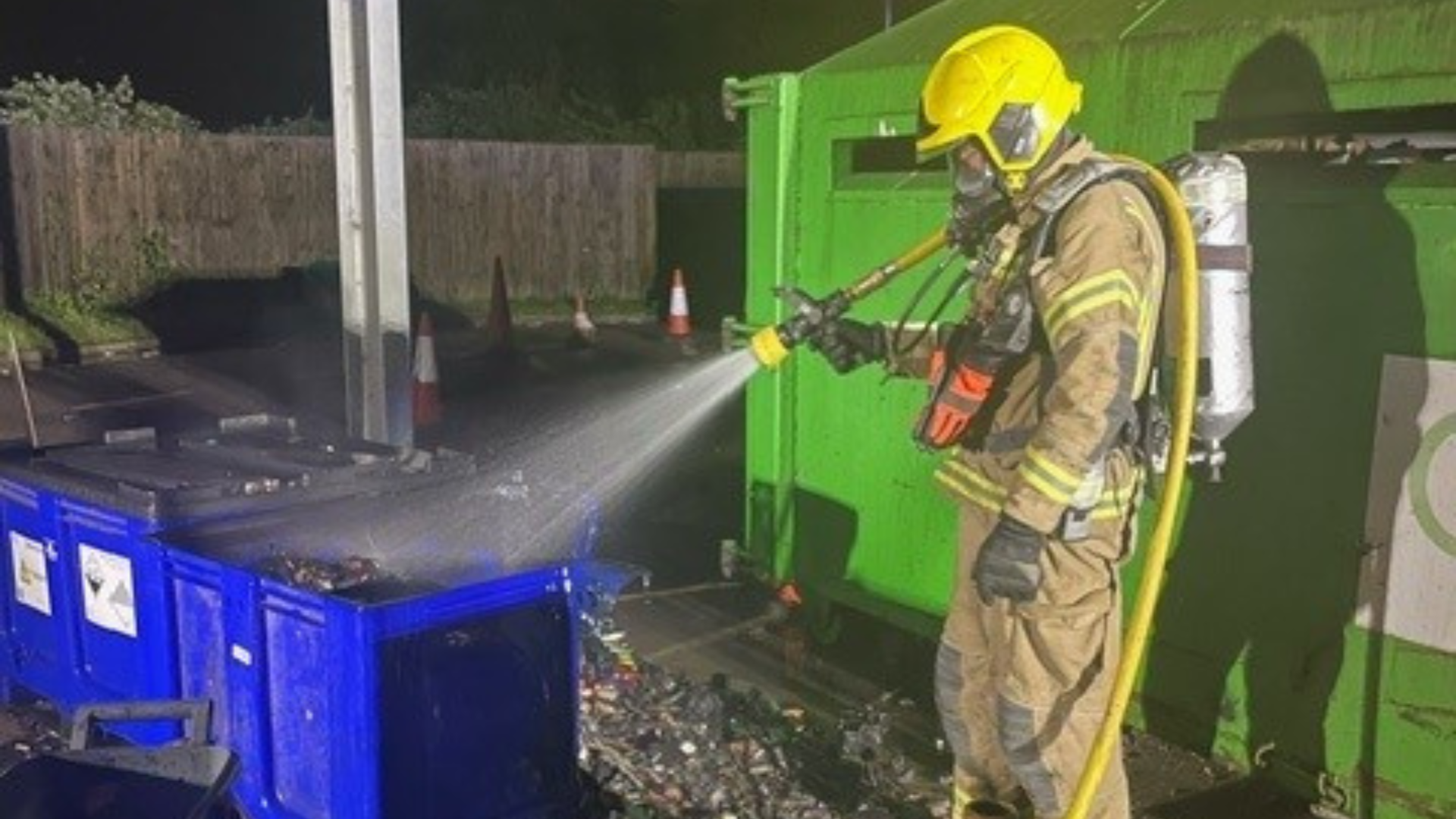
Everyday items like batteries, vapes and small electricals may seem harmless - but when placed in household bins, they can pose a serious fire risk.
These items often contain lithium-ion batteries, which can ignite or explode if damaged, crushed, or exposed to heat. In the waste collection process, bins are compacted inside vehicles, increasing the likelihood of batteries being punctured. This can spark fires in refuse trucks, at transfer sites, or in recycling facilities - putting crews, equipment and nearby communities in danger.
For collection crews and site staff, these fires can start suddenly and spread rapidly, creating hazardous working conditions and costly disruptions to essential services. Vehicles can be taken out of action, and entire loads of waste may be affected.
Residents can play a vital role in preventing these incidents.
Batteries, vapes and electrical items should never go in household bins. Instead, they should be taken to designated recycling points, such as local recycling centres or participating retailers.
By disposing of these items correctly, you’re helping to protect waste workers, safeguard infrastructure, and ensure materials are handled safely and responsibly. Small actions at home can make a big difference to everyone involved in the waste journey.
Gainsborough’s big idea

A project helping children and families in Gainsborough is making headlines beyond Lincolnshire and could soon become a blueprint for communities across the UK.
The Gainsborough Aspiration Project, launched by Lincolnshire County Council in 2023, is bringing together schools, local councils, businesses and community groups with one shared goal: giving young people the best possible start in life.
Working alongside partners such as West Lindsey District Council, the project is creating stronger links between services and communities, making it easier for families to get the support they need when they need it.
And it’s already making a difference. By breaking down barriers and encouraging organisations to work more closely together, the initiative is helping deliver better outcomes for children while strengthening community connections across the town.
The project’s success is now being recognised nationally after it was shortlisted for a UKREiiF award, celebrating innovative ideas that are delivering real change.
Cllr Natalie Oliver, executive member for children’s services, said: “Making sure every child gets a good start in life is one of our top priorities. The Gainsborough Aspiration Project is already making a real difference, helping thousands of young people move towards happier, healthier and more successful lives.”
The idea is already spreading. Similar projects are now underway in Skegness, with plans to expand the approach to Lincoln, Boston and South Holland in the future
What happens to your waste after collection?
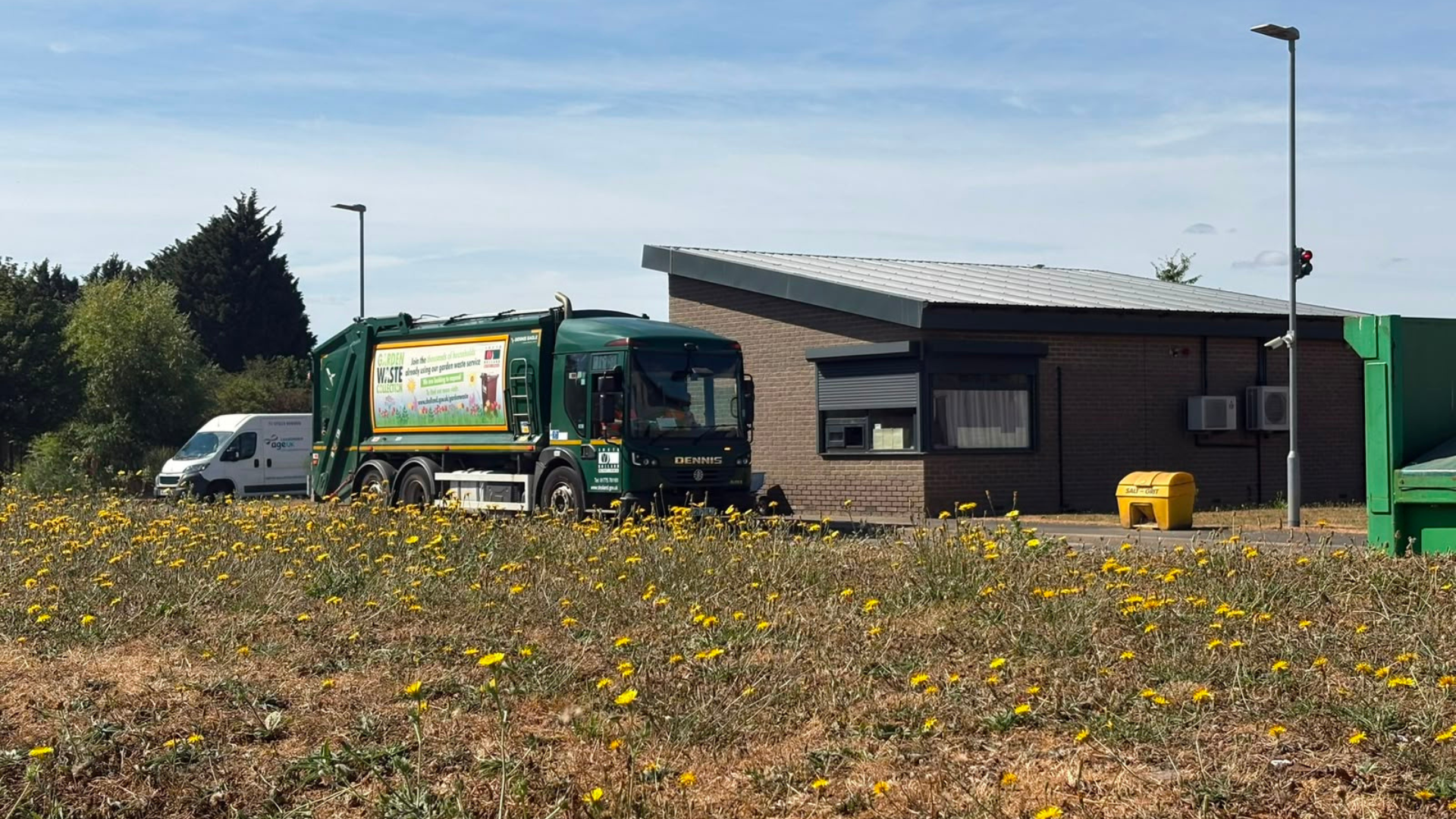
Once your bins have been emptied and the collection vehicle disappears down the road, have you ever wondered where everything goes next?
For most of us, that’s the point where our part in the process ends. But for Lincolnshire’s waste and recycling teams, it’s just the beginning.
Every day, tonnes of household waste and recycling collected from homes across the county arrive at Lincolnshire’s Waste Transfer Stations, where teams work behind the scenes to keep materials moving safely and efficiently to their next destination.
Our latest video takes you inside one of these facilities to follow a typical day and meet some of the people who help keep Lincolnshire’s waste services moving.
First stop: the weighbridge
When a collection vehicle arrives at a Waste Transfer Station, one of its first stops is the weighbridge.
Here, the vehicle and its load are weighed and details including the vehicle, material being carried and where it has come from are recorded.
Once everything has been checked, the vehicle can make its way into the site and tip its load into the appropriate area.
Different materials are kept separate, including general waste, mixed recycling, paper and card, and food waste, ready for the next stage of their journey.
Checking the quality of our recycling
There’s another important job taking place behind the scenes too.
Samples of recycling arriving at our transfer stations are regularly checked to understand what residents are putting in their recycling bins.
The material is carefully sorted and assessed, helping us monitor the quality of Lincolnshire’s recycling and identify common items that have been placed in the wrong bin.
These checks give us valuable information that can be used to improve services and help residents understand how they can recycle correctly at home.
Putting the right thing in the right bin really does make a difference.
Where does everything go next?
A Waste Transfer Station is just that – a transfer point.
Once enough material has been collected, larger vehicles transport it onwards for treatment or processing.
Depending on the material, that could mean recycling being sorted and turned into new products, paper and card being sent for reprocessing, food waste being transformed through anaerobic digestion, or general waste being used to generate energy.
Moving material in larger loads also makes the onward journey more efficient than individual collection vehicles travelling directly to each processing facility.
The people behind the service
While bins and collection vehicles may be the most visible part of our waste services, there is a whole network of people and facilities working behind the scenes.
From weighbridge operators and site teams to recycling sampling staff and drivers, each has an important role to play in managing Lincolnshire’s waste and recycling.
So, the next time your bin is emptied, remember: its journey is far from over.
Watch our video and come behind the scenes to see what happens during a day at one of Lincolnshire’s Waste Transfer Stations:
Day the the life of a Waste Transfer Station
In the driving seat
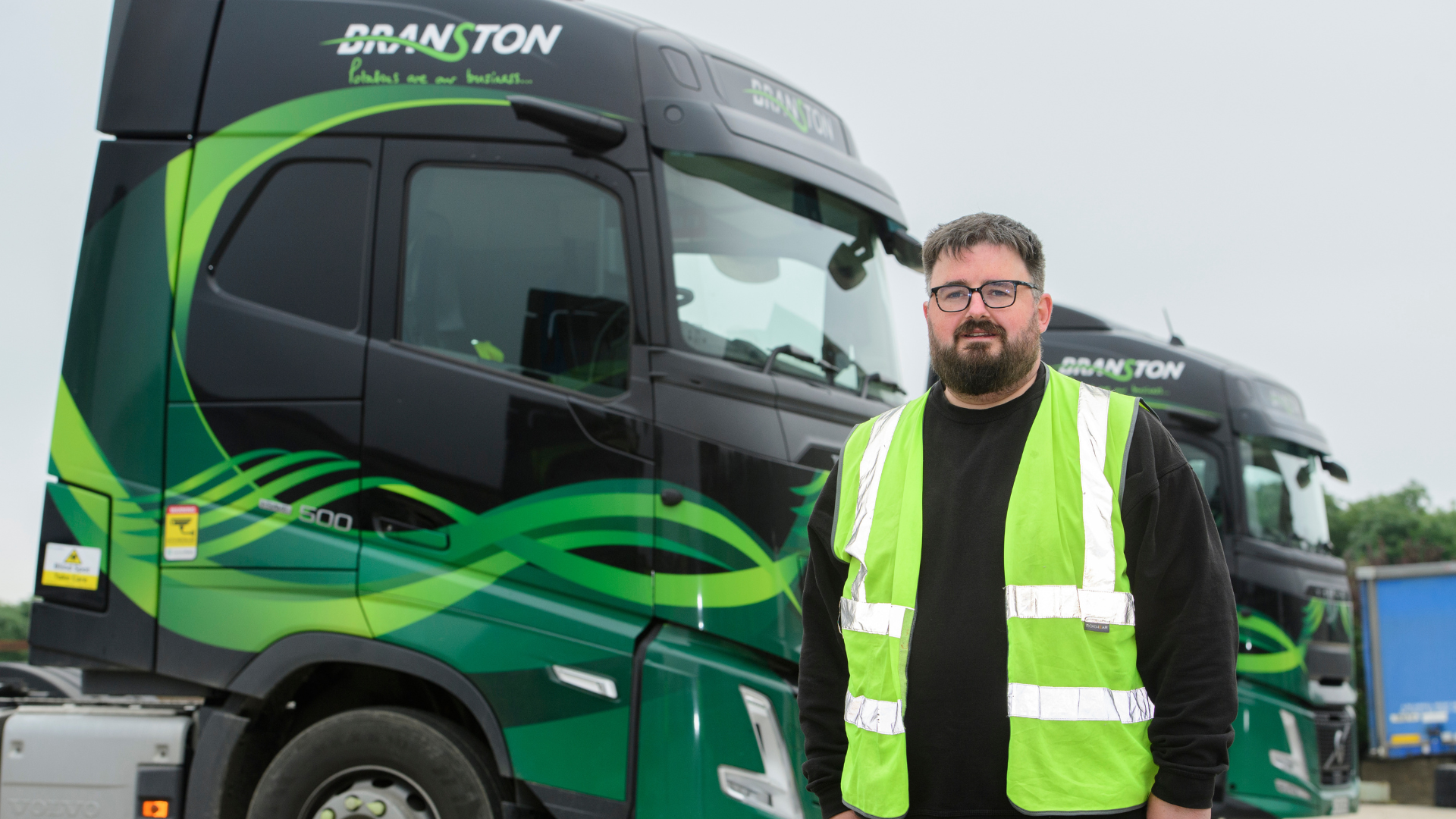 Steven Odling
Skills Bootcamp helps get Steven back on the road and securing a dream job.
It was a completely new experience to Steven Odling when he was made redundant in early 2025.
Until that point, the 39-year-old from Lincoln hadn’t been out of work since he was 16. So, after losing his job as a customer service rep, he faced more than just a financial shock.
But with the chance of a fresh start in a new industry, Steven saw an opportunity to get involved in something he was interested in, getting behind the wheel of an HGV.
Steven said: “I’d worked all my life, so it was pretty terrifying being out of work, I didn’t really know what to do at first.
“I’ve always been fascinated by trucks. I just never thought I’d actually get the chance to follow it.”
Retraining to become an HGV driver isn’t cheap, and between lessons, tests and licenses the costs can quickly add up. It looked like something that Steven couldn’t take on while out of work.
But, through a collaboration between the county council, Lincoln College and Branston Ltd, a Skills Bootcamp in HGV driver training removed the cost barrier for Steven, allowing him and nearly 50 others to get the qualifications needed to kickstart a career in transport and logistics.
It’s a programme that’s working well. Since 2022, over 3,000 people have taken part in Skills Bootcamps across Greater Lincolnshire, with over 90 per cent of people going on to secure a new job, gain a promotion, or grow their own business.
It's a council programme that looks to boost local talent with opportunities to develop skills in high-demand sectors, like agri-food, healthcare, engineering, digital skills and more.
They’re completely free for learners and can be completed online, face-to-face, or a mixture of both, and typically come with an interview opportunity on completion, depending on the course.
For Steven, it’s changed everything. On completing his course, he’s now employed full time at Branston Ltd, doing a job that he loves.
Steven added: “It’s made such a difference for me. I’ve gone from the shock and insecurity that comes with redundancy to a safe, steady job, that I’ve always wanted to do.”
Find a Skills Bootcamp that's right for you and take the next step towards your career goals.