
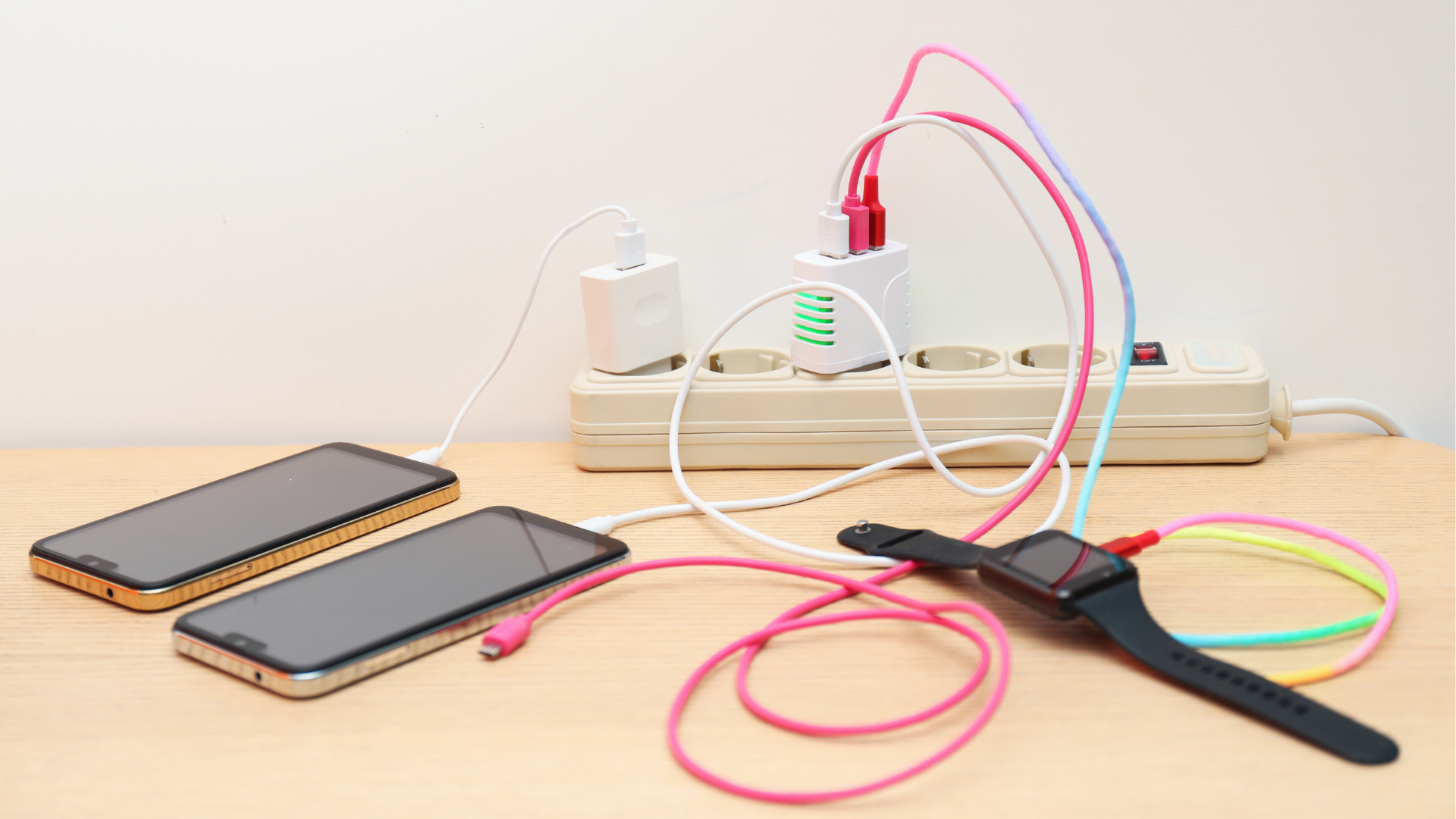
Remember to charge, use and dispose of batteries from your new devices safely.
Dan Moss, area manager for protection and prevention at Lincolnshire Fire and Rescue, said: “A lot of the gifts you’ve likely given or got over Christmas, or in the sales, rely on batteries. Whether that’s an internal battery you charge, like in a smartphone, or external batteries you put in and change, like in many children’s toys.
“Lithium-ion batteries are the norm in many internal batteries and these in particular get out of control very quickly, produce toxic smoke, and can be extremely difficult to extinguish.
“So, it’s important to know what safe charging, use and disposal looks like, as doing any one of these incorrectly could cause a fire. Following simple safety steps is an easy way to keep you and your family safer.”
Safe Charging Tips
- Use the charger that came with the device. Cheap or unofficial chargers can overheat batteries and cause fires.
- Never charge batteries overnight or when you’re out of the house.
- Avoid charging on beds, sofas, carpets or under pillows where heat cannot escape.
- Stop using a battery immediately if it’s swollen, damaged, leaking or giving off a strange smell.
Safe Use
- Register your appliance to be notified of product recalls or safety information.
- Avoid leaving devices in direct sunlight or near heat sources like radiators, portable heaters or cookers.
- Avoid dropping or crushing devices, particularly e-bike and e-scooter batteries.
- Leave potential repairs to battery packs or chargers to the professionals.
Signs of Battery Fire Risk
- Device becoming unusually hot to the touch
- Hissing, popping or cracking sounds
- Smoke or an unusual smell
- Bulging or swelling of the battery or device casing
If you notice any of these, turn off the device (if safe), move it outside away from buildings. If your device starts to smoke or burn, get out of harms way, stay out of the way and call 999.
Safe Disposal
- Never put batteries or electrical items in your bins at home.
- Take batteries and electrical waste to a Household Waste Recycling Centre (battery bins are also present in most supermarkets).
- Batteries should be disposed of in the dedicated battery bins.
- Vapes, whether disposable or rechargeable, contain lithium batteries and should also be placed in designated hazardous waste areas.
Rachel Stamp, waste partnership and projects manager, said: “Batteries are hazardous waste. They can leak chemicals, cause fires, and even explode when crushed or compacted with other rubbish.
“We saw several fires in waste collection lorries and household waste recycling centres across the county last year. All these put our staff and firefighters who attended in danger, and often closed sites and cancelled routes.
“Most people are doing the right thing, which is to bring your batteries and electrical waste to our household waste recycling centres and put it in the correct areas, but unfortunately it only takes one battery in a compactor to start a fire.
“If you do get to site and are unsure where something should go, be it batteries, electricals or even a mattress, please do ask our on-site staff who can help you.”
Mark Keal, head of Lincolnshire Trading Standards, said: “Many poor quality lithium-ion batteries replacements come from unverified sellers or third-party marketplaces offering deals that look too good to be true.
“Poorly made or counterfeit products often don’t meet UK safety standards and can fail without warning.
“If you’ve bought new tech over Christmas or in the Boxing Day sales, double check it carries a legitimate UKCA or CE mark, comes with proper safety instructions and was sold by a reputable retailer. You and your family’s safety is worth more than a bargain.”