
Lincolnshire County Council raises serious concerns around the current NSIP application process and its power over local voices.
Nationally Significant Infrastructure Projects (NSIPs) are large scale developments that the Government deems essential to the country’s infrastructure.
Instead of being decided by district or county councils, these projects are submitted directly to the planning inspectorate and are not decided by a planning committee, as at council level, but by a single figure in the Secretary of State.
Lincolnshire has a total of 16 NSIP ongoing applications, that means close to one in five of all NSIPs applications, at various stages of pre-decision, are based within our administrative boundaries.
The county council is deeply worried that local voices and the cumulative impact of these developments are not being properly assessed or addressed.
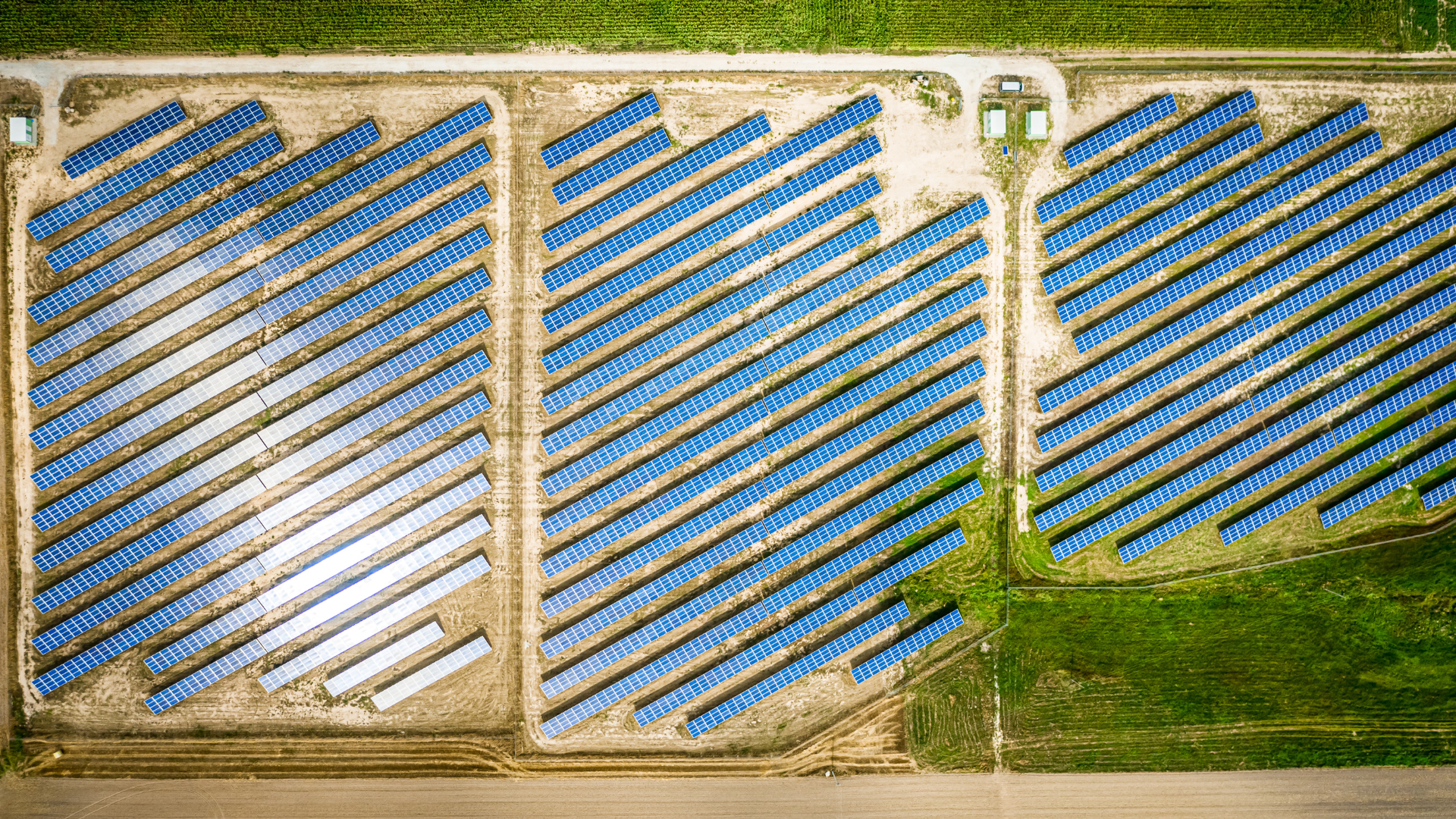
And, following Fosse Green Energy, a 3,000-acre solar farm proposed near several villages south of Lincoln, entering examination stage, Lincolnshire County Council has been ramping up the pressure on Government to review how these important decisions are made.
Lincolnshire County Council is calling on the Government to review the NSIP planning process, advocating it reforms to:
- Give local communities a meaningful voice
- Properly consider cumulative impacts of developments
- Ensure transparency and accountability
- Balance national priorities with local consequences
- Ensure projects deliver proper mitigation for the effects on local communities
Cllr Danny Brookes, executive councillor for Planning and Environment, said:“What we are seeing through the NSIP process is deeply frustrating for us and our residents. Communities are encouraged to engage, but too often this serves as a simple tick-box exercise for developers and Government. People’s views are being overridden by a system that treats people who oppose these huge schemes as NIMBYs.
“While the council considers this approach to be completely unacceptable, the national planning framework governing NSIPs leaves local authorities with extremely limited powers to influence outcomes. Local authority consultation and community engagement are required under legislation, but there are zero obligations for this to be reflected in a final decision.
“It's not about opposing all development in the county. It is about standing up for Lincolnshire’s communities and saying that decisions of this importance should not be decided by one person, or be forced through without proper local influence, transparency and accountability. Lincolnshire has not seen a refused NSIP application since the current process was established in 2010. And, of the nearly 30 NSIP applications across the country decided since July 2024, only one has been refused.
“It simply isn’t right that the people who these developments will impact the most are not being given sufficient weight in the process. As more and more NSIP applications come to Lincolnshire, we will take every opportunity to raise this issue with Government, local Members of Parliament and developers, and will press for the urgent reform of the NSIP process to ensure it is fair, transparent and genuinely democratic.”
The Planning Act (2008) gave powers for central Government to make decisions on large scale major development projects in England and Wales, which cover energy, transport, waste, waste water, or water.
These NSIPs are projects that Government determines are essential for the country’s economy, security, energy system or national infrastructure strategy. So, decisions are made at a national level against National Policy Statements which set out Government’s national priorities.
The NSIP process was introduced to streamline planning and decision-making for major infrastructure projects, decentralise decision-making and ensure consistency across regions, consolidate approval processes, and promote economic growth through timely development of infrastructure.
Local communities and councillors have been vocal in opposition to many NSIPs in Lincolnshire. Recently, Fosse Green Energy, which is proposed to cover around 3,000 acres of land near several villages to the south of Lincoln.
Cllr Marianne Overton, local division member for Bassingham and Welbourn, said of the proposal in her area:“This would bring glass, steel and concrete to swallow up our good farmland on a huge scale, the size of a London Borough. And, we are paying for it with among the highest electricity bills in the world, while hundreds of thousands of commercial roofs lie vacant.
“Under these plans, a number of residents in my ward wouldn’t be able to look out of their windows without seeing solar panels in every direction, that’s simply not right.
“I believe this is the biggest risk for our area and we need to stand up for it. I’ve already gathered over 1500 letters against this proposal from residents, and I know there’ll be many more to come before this application closes.”
Fosse Green Energy say that many factors had been considered in selecting the proposed location for the project, including the topography of the landscape; availability and location of a connection to the electricity system; and local planning and environmental factors including visual impact, biodiversity, agricultural land quality and land use, and flood risk.
The developers say that the design and development will take into consideration other proposals being brought forwards in the area, including for solar energy. They argue that solar projects are quick to construct and operate, meaning they will provide decarbonisation benefits at the earliest opportunity with minimal noise or air quality impacts during operation.
For further information on the project and to have your say on the application, visit the planning inspectorates website: https://national-infrastructure-consenting.planninginspectorate.gov.uk/projects/EN010154