
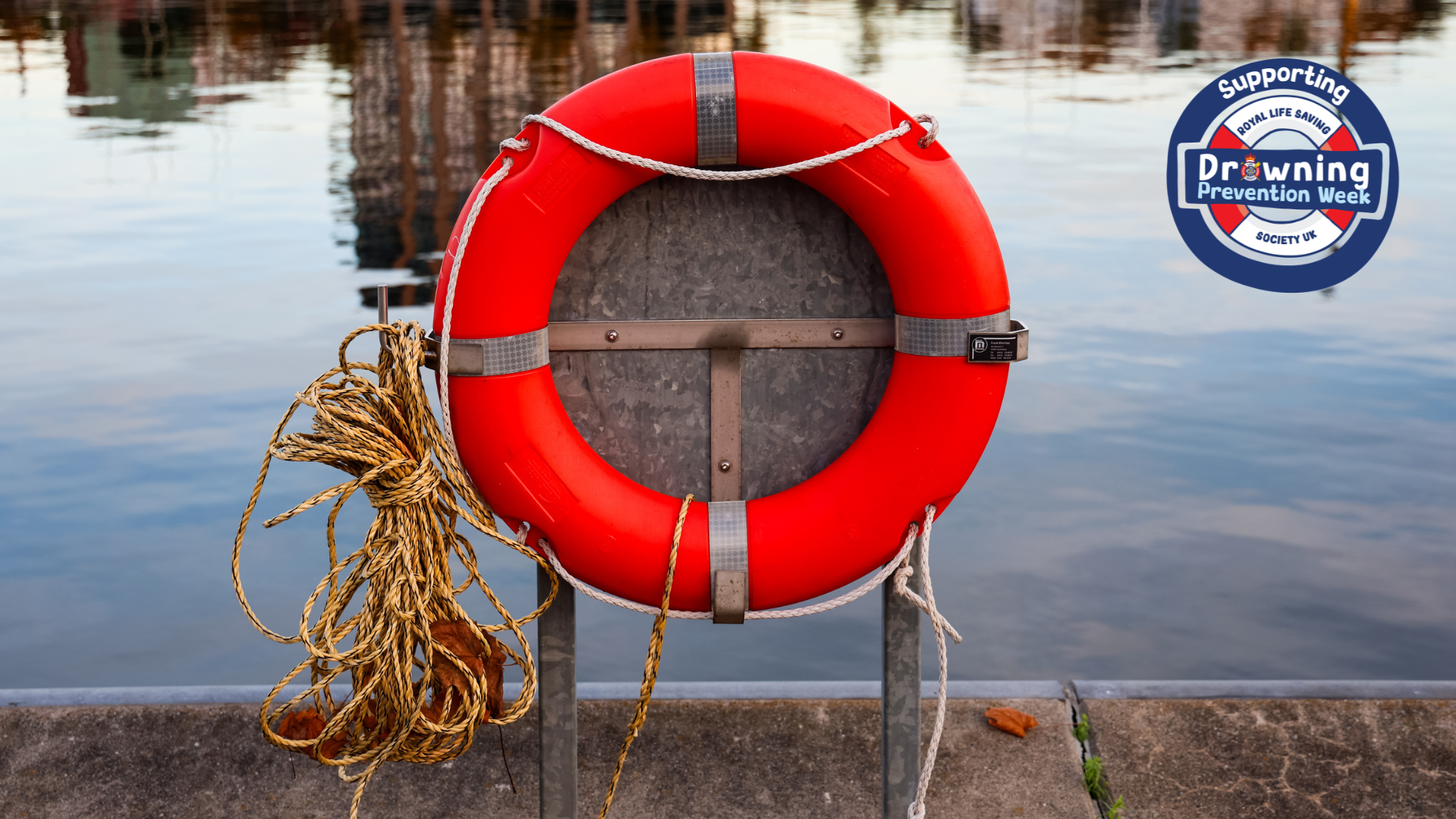
Water safety pleas from emergency services after series of tragic incidents.
For over a decade, Royal Life Saving Society UK’s Drowning Prevention Week (13 – 20 June) to has aimed to equip educators, teachers, parents, and carers of children with vital water safety knowledge in Summer when most accidents in water occur.
Following recent drownings across the country, including one close to home in Lincoln, this advice is more important than ever and can help to prevent further accidents.
Ashley Jones, Head of Water Safety and Education at Royal Life Saving Society UK, said: “We urge everyone to use RLSS UK’s free, accessible water safety resources to educate children and teens with critical information this June, to make sure everyone has a safe summer.
“Whilst a foundation of water safety will be included in England’s school curriculum from September, this vital information needs to be taught now, ahead of the summer period, and across the entire UK and Ireland to prevent tragedies. We can all contribute to creating communities free from drowning.”
Water of 15°C (59°F) and lower can trigger cold water shock. This shock induces involuntary gasping, rapid breathing, panic and the sudden loss of swimming ability, even for strong swimmers, all of which drastically increases the risk of drowning.
Entering the water is never advised. Less experienced swimmers often underestimate the power of currents and the dangers of submerged hazards like weeds, plants or even rubbish, while even the strongest of swimmers can be hit with cold water shock and get into difficulty.
David Lynch, area manager for Prevention and Protection at Lincolnshire Fire and Rescue, said: “Knowing how to swim is a great skill, but it’s not enough by itself to be safe in open water.
“Submerged hazards, cold temperatures, currents and other dangers are all hidden, which is why you should only enter water where there are lifeguards or experts at hand who know the dangers of the area and are trained in water rescue.
“We’ve had several heartbreaking reminders around these dangers in open water this summer. We need everyone to share these water safety messages and act as positive role models to help us prevent further accidents.
“The Royal Life Saving Society UK have fantastic resources available to help educate our young people, and we encourage parents to engage with this.
“Remember, if, for whatever reason, you do find yourself struggling in water, remember to FLOAT. And, if someone else is in trouble, don’t go in after them, get them to FLOAT, call 999, and throw something they can grab on to.”
- Tilt your head back, submerging your ears.
- Relax and control your breathing.
- Move your hands and legs to help you stay afloat.
- Your legs may sink. That’s ok, everyone floats differently.
- Once calm, call for help
Anyone who sees someone struggling in water should remember:
- Encourage them to FLOAT
- Throw something that floats for them to hold onto
- Call 999
- Never enter the water yourself unless trained to do so
The Royal Life Saving Society UK offer access free water safety resources for children, parents, carers and educators: https://www.rlss.org.uk/dpw.