
Growing commitments
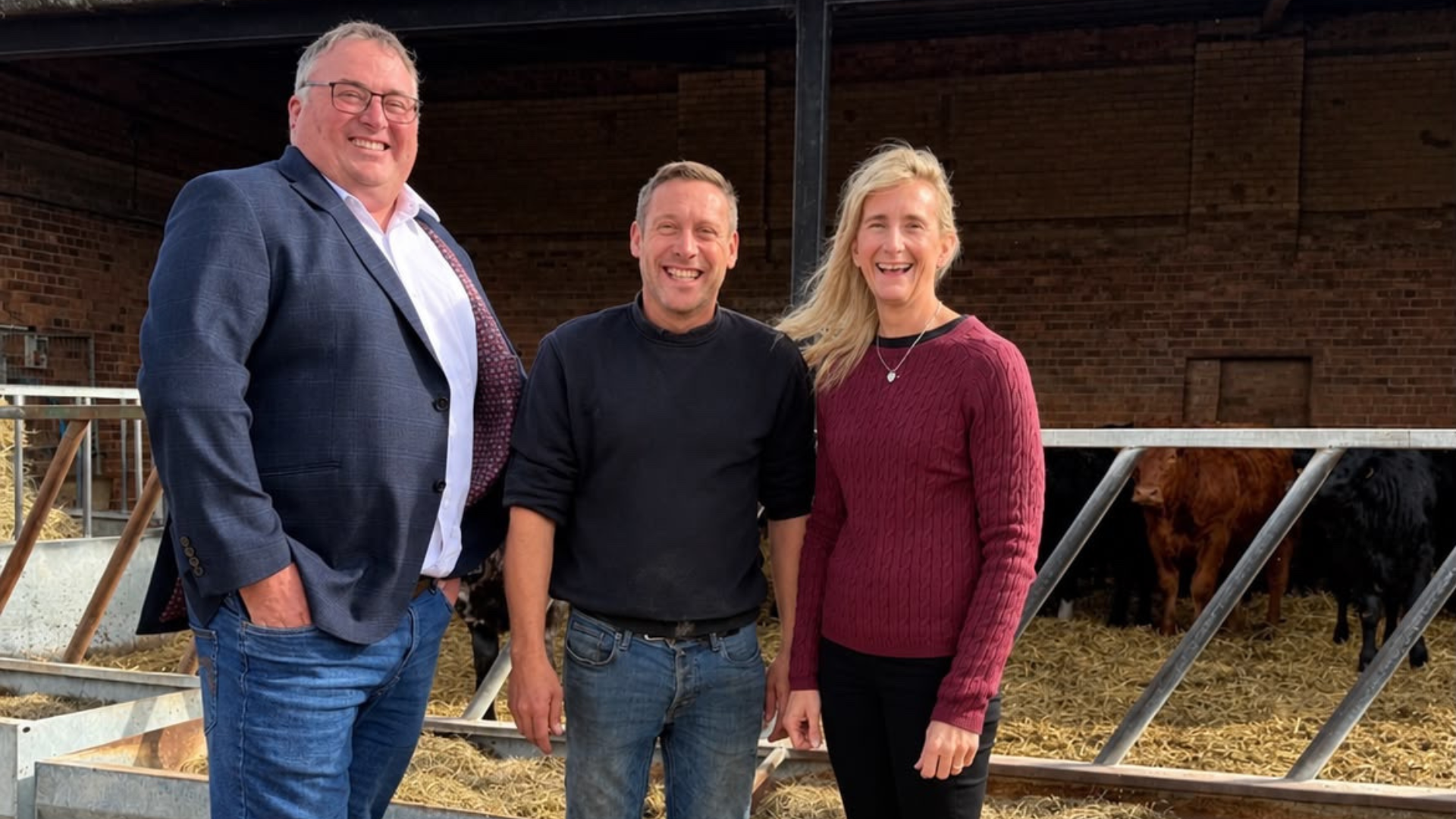 Cllr Rob Gibson, with farmers Michael and Emma Woods.
Providing real support for Lincolnshire’s farmers and helping to feed the nation.
Lincolnshire has long been known as the nation’s breadbasket, with agriculture and food production at the heart of the county’s economy.
From farms and food factories to logistics hubs and manufacturers, the sector supports thousands of local jobs and helps put food on plates across the UK. But behind the scenes, there’s a huge amount of work under way to make sure the industry continues to thrive.
At the centre of that ambition is UK Food Valley, a major programme designed to position Greater Lincolnshire as one of the world’s leading agri-food destinations. Bringing together farmers, businesses, universities and training providers, the initiative aims to drive innovation, attract investment and build the skilled workforce the sector needs.
Lincolnshire County Council has also been working to ensure farmers have a direct line to local and national decisionmakers through the Greater Lincolnshire Forum for Agriculture and Horticulture.
That collaboration is helping to shape new projects focused on improving soil health, developing on-farm water storage and strengthening farm resilience in the face of changing conditions.
And more directly, the council owns 152 farm holdings of its own totalling around 16,500 acres – with many tenants taking on the farms from previous generations in their families. The council is investing in buildings and technology on these holdings, that give local people the opportunity to start and grow agricultural businesses.
Rob Gibson, Deputy Leader of Lincolnshire County Council, said:
“Many people don’t realise that we own farms as a council, but it’s an important way of supporting medium sized family farms. As well as upgrading farmhouses with solar panels and other renewables, we’ve launched a Starlink broadband pilot on some of our farm estates.
“The pilot will test whether satellite broadband can help bridge the rural connectivity gap, giving farm businesses access to the fast, reliable internet services many urban areas and businesses take for granted.”
Supporting productive farming doesn’t come at the expense of the environment. Through LincWoods, the council’s tree-planting programme, farmers can access practical advice, grant funding and support for tree and hedgerow planting projects.
Whether it’s investing in skills, helping farms embrace new technology, strengthening environmental resilience or supporting tenant farmers on council-owned estates, we are putting our weight behind an industry that is central to the county’s identity and prosperity.
Street science
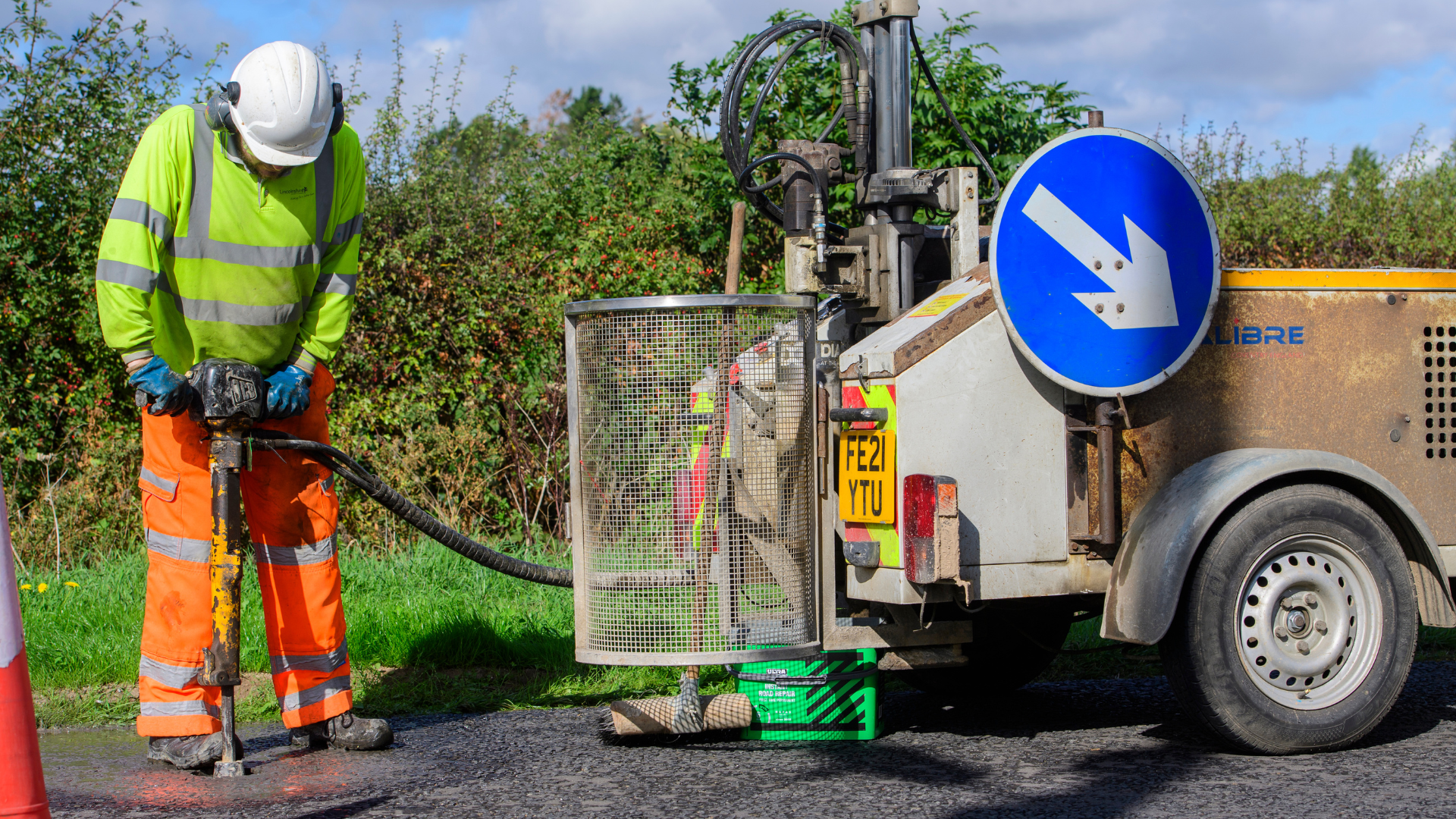 Ben Davison operating the core drilling trailer.
How Lincs Lab is helping to target the right treatment for our roads.
When you drive along a newly resurfaced road in Lincolnshire, it’s easy to notice the smooth road and comfortable journey.
What you don’t see, however, is the months of hard work and investigations that go on behind the scenes before any work can even start.
At Lincs Laboratory, specialist engineers, technicians and surveyors play a crucial role in keeping Lincolnshire moving. Their aim is to ensure safer roads, smoother journeys and better value for taxpayers.
In fact, they’re responsible for helping look after one of England’s biggest local authority road networks. Lincolnshire has 5,534 miles of highway, making it the fifth-largest network managed by a council in the country.
And their work starts long before the first traffic cone appears on site. Highways laboratory services manager Chris Neal explained: “Before a road improvement scheme can be considered, the team at the Lincs Laboratory gathers vital information about the road,” he said.
“Using specialist equipment we can assess what’s happening beneath the surface and build up a detailed picture of each road’s overall condition.
“Further investigations are carried out, including drilling core samples through the road surface to see exactly how the road has been performing.
“Back at the laboratory, technicians examine the materials used, measure layer thicknesses and assess their condition, giving engineers a much clearer understanding of what’s causing problems and how best to address them.”
Finding the right fix
In Lincolnshire, no two roads are the same, which means no two repairs should be either. Using all the data collected, engineers design solutions tailored to the specific needs of each location.
“The roads that carry heavier traffic or showing more serious deterioration may require more substantial treatments,” added Chris.
“This helps us provide a targeted approach that helps ensure every pound of investment goes as far as possible.”
Keeping a close eye on quality
Lincs Laboratory’s involvement doesn’t stop once the design work is finished.
As roads move into construction, the team helps ensure materials and workmanship meet the high standards expected by the council.
Chris added: “We run tests to confirm materials meet specifications and identify potential issues before they become problems. Even when the road has reopened, the work isn’t over.
“The team carries out final inspections to make sure the finished road is safe, durable and comfortable to use. Where issues are identified, contractors may need to return and put them right. This is frustrating, but helps roads last for many more years than they otherwise might.”
A vital role
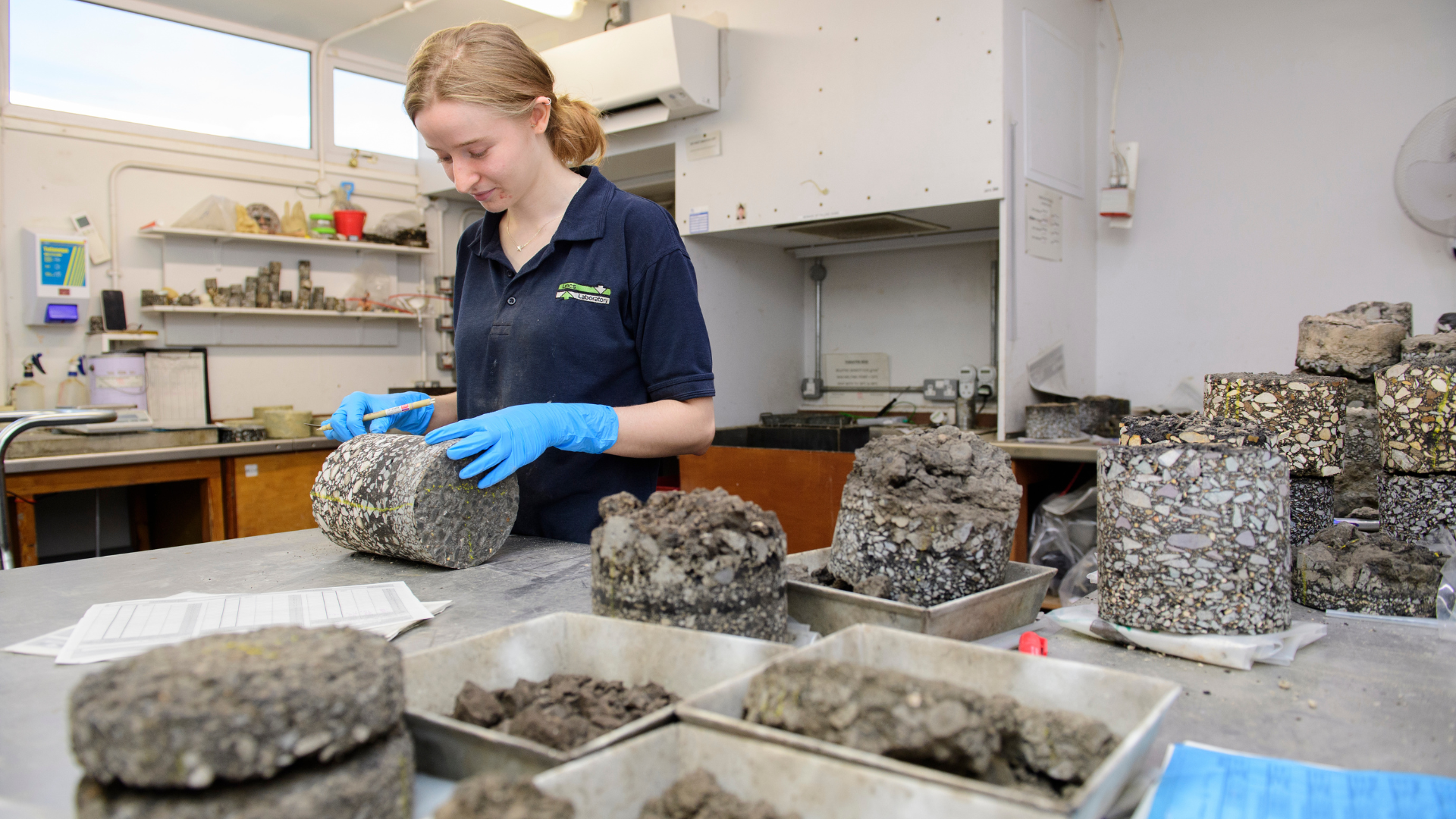 Lead technician Emily Locke examines some of the drilling core samples taken from a Lincolnshire road.
Cllr David East, executive member for highways, said: “Lincs Laboratory plays a vital role in helping us maintain a safe, reliable and resilient road network for residents, businesses, emergency services and everyone travelling around Lincolnshire.
“I’m incredibly proud that we still have this expertise in-house.
Having our own laboratory helps ensure Lincolnshire residents receive better long-term value for money and a road network that remains fit for the future.”
Find out more about Lincs Laboratory.
Driving investment
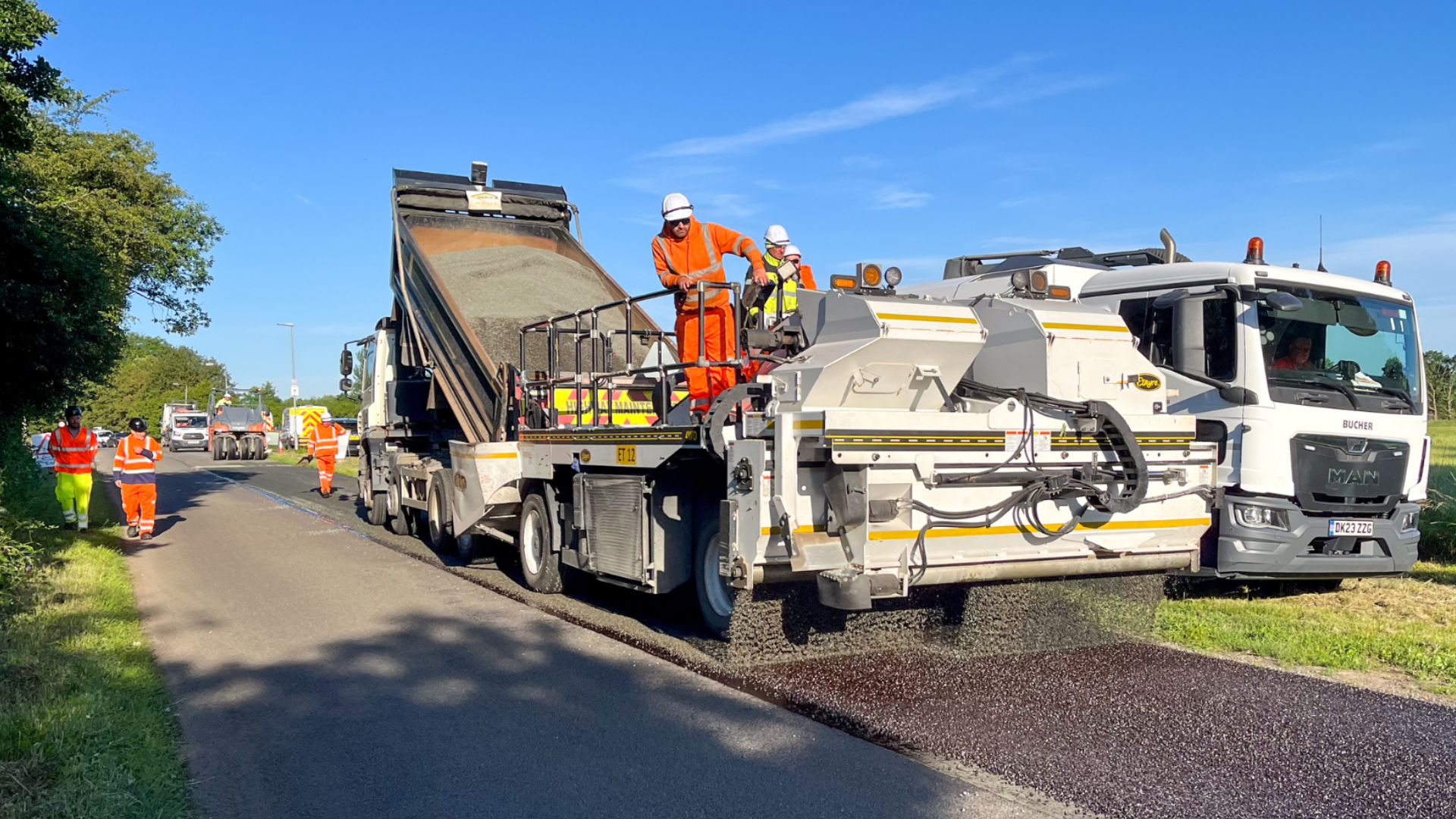
We have put real money behind this year’s road programme - and it shows.
While many of us were enjoying the summer sunshine, highways crews were hard at work across Lincolnshire, preparing the county’s roads for the challenges we’ll face this winter.
The last few months saw teams visiting hundreds of locations, carrying out a range of repairs and preventative treatments designed to keep roads in good condition for longer. From surface dressing and in-situ retread treatments to mastic asphalt repairs, resin fixes and reactive patching, the programme has improved an impressive 213 miles of road surface.
In total, 217 roads received surface dressing, 24 roads benefited from retread and regeneration treatments, and 41 roads were treated using road preservation techniques. Our investment includes:
- surface dressing – £6m
- in-situ recycling – £4.5m
- micro-asphalt – £1.1m
- carriageway preservation – £450,000
Andy Creasey, county programme manager for Highways, said: “There has been a huge amount of work taking place across the county, and the progress we have made is testament to the planning, preparation and coordination that has gone into it.
“Delivering this work within a relatively short summer window and while working around weather conditions, requires careful planning and close coordination between our teams.
“I’m really pleased with the progress we have made and the amount of preventative maintenance we have delivered. The focus now moves onto the next phase of the programme, with carriageway micro-asphalt getting underway and continuing our approach of using the right treatment at the right time to protect our roads.”
Another year of improvement
The work is already making a difference. Lincolnshire’s unclassified roads network has shown improvement for the 13th consecutive year.
The next phase of the highways programme is already underway, with 94 roads scheduled to receive micro-asphalt treatment. This two-layer process is used on roads that remain structurally sound but are beginning to show signs of wear, helping to extend their lifespan.
See which roads near you are being improved.
Report an issue on a road near you.
A new start at Grange House
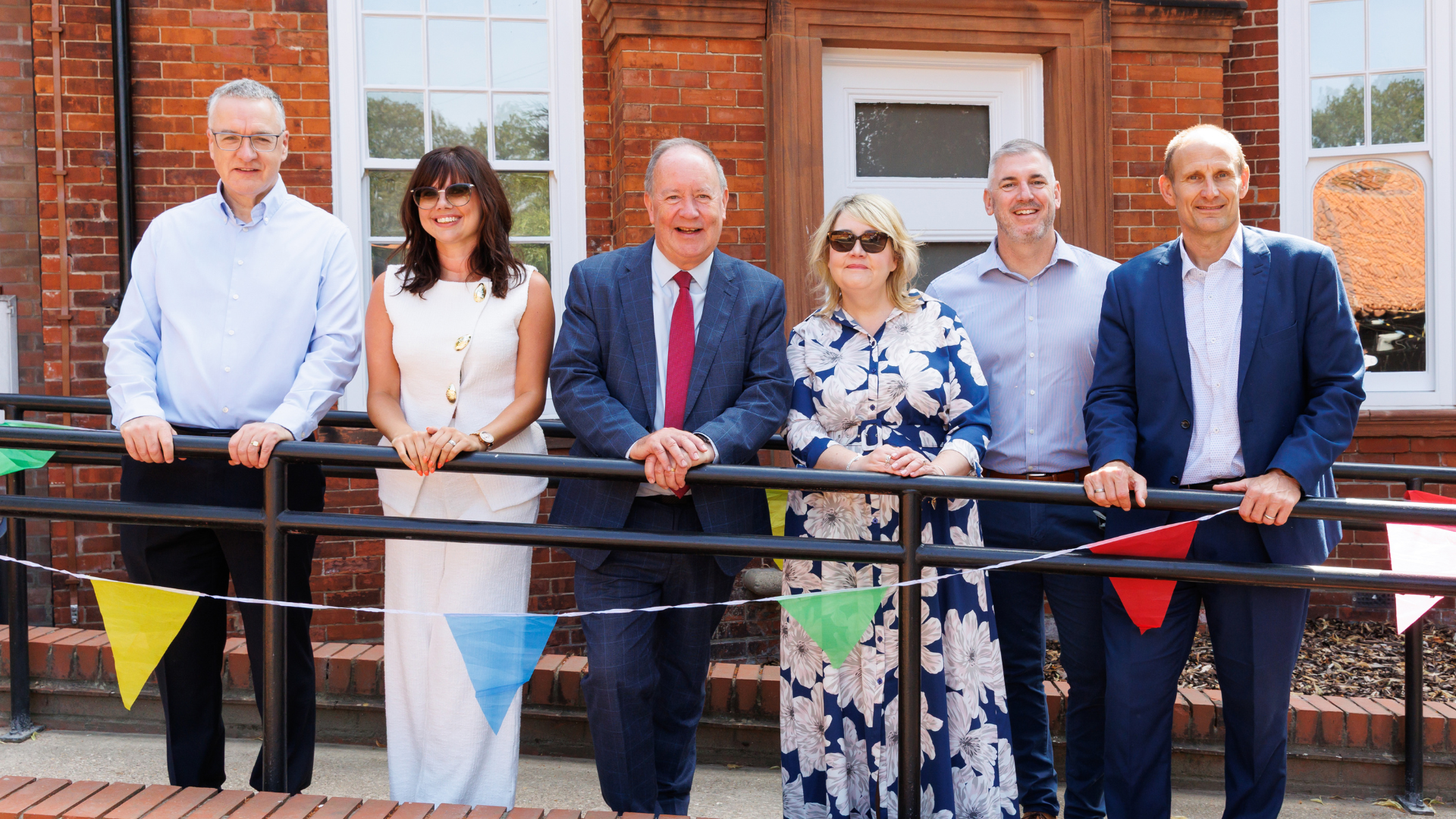 Rob Nixon, Kim King, Cllr Steve Clegg, Sara Apps, Gareth Maddison, and Martyn Parker
New supported living in Market Rasen is giving adults with disabilities the chance to live independently, stay connected to their community and build a future of their own.
Grange House in Market Rasen is offering a new beginning for working age adults who have learning or physical disabilities and those who are autistic.
The renovated property aims to provide the freedom of a home of their own alongside the support residents need to live as independently as possible.
The Grade II listed building has been transformed to provide 10 supported living apartments, with support available 24 hours a day, following a multi-million pound regeneration project led by housing charity Acis Group.
Grange House is about more than providing somewhere to live. The project has been designed to help residents build confidence, develop new skills and remain part of their local community.
Cllr Steve Clegg, executive member for adult care and health, said: “We know that many young adults with disabilities want their independence like others their age.
“Grange House will offer them a home of their own, with the support they need. And it will let them stay connected to their local community, where they can be supported.”
Greg Bacon, CEO of Acis Group, said:
“We are so proud to have been able to breathe new life into this historic building. It is part of a wider regeneration project in Market Rasen called the Grange Collective and our aim is to help tackle the challenges faced by rural communities.”
The benefits of the new facility have also been noted at West Lindsey District Council, with Market Rasen councillor Stephen Bunney, adding:
“This project has created meaningful opportunities for adults with disabilities to live independently. I’m delighted to see the difference that the Grange Hub and Café is making to the residents of Market Rasen and the wider community.”
Shahi Islam, Director of Affordable Housing Grants at Homes England said:
“The supply of quality affordable homes remains one of our key objectives. This investment through the Affordable Homes Programme does just that, enabling Acis Group to build 10 much-needed homes the people of Lincolnshire can be proud of.”
The project is a collaboration between Acis Group, Lincolnshire County Council and West Lindsey District Council, made possible by additional funding from Homes England.
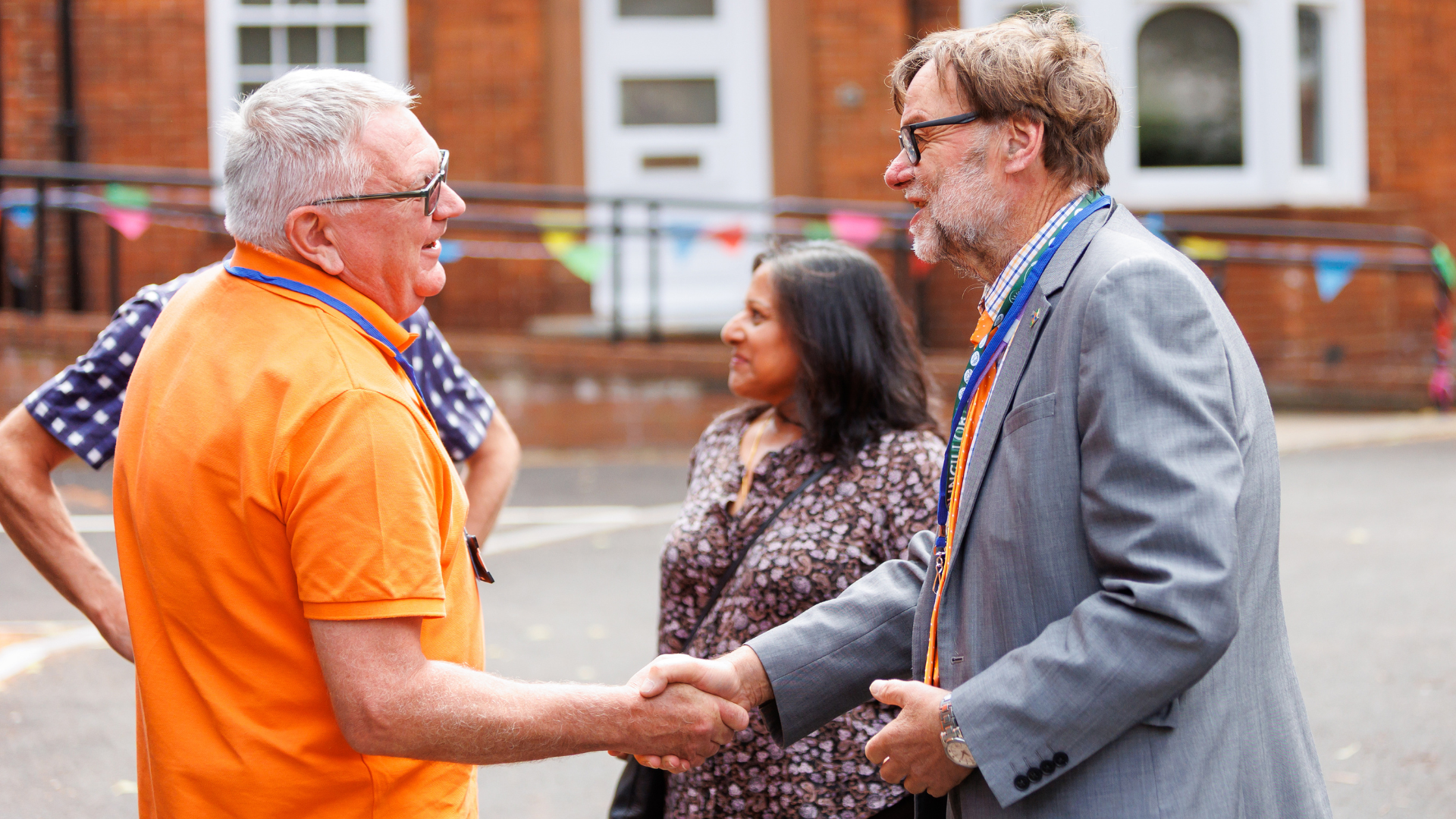 Greg Bacon, CEO at Acis Group, and local councillor Cllr Stephen Bunney
It feels like home
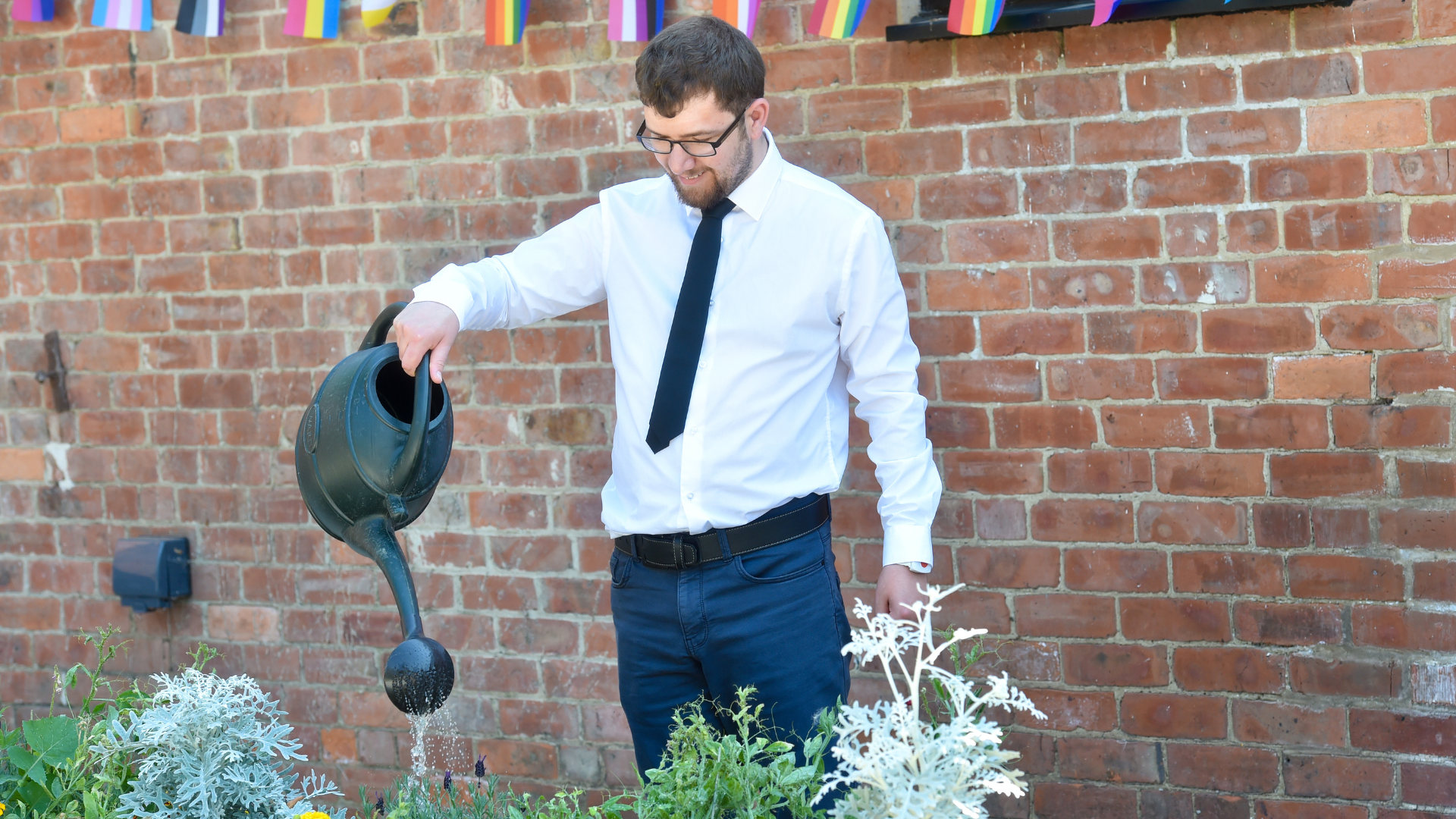 Benjamin Bingham-Bird looking after the garden at Grange House
Ben is relishing a fresh start after moving into a new ‘supported living’ apartment at Grange House.
When Benjamin Bingham-Bird looks proudly around his new home, there’s one thing at the forefront of his mind. “I still can’t quite believe I’ve got my own flat,” he said.
For the 24-year-old, moving into his new home at Grange House in Market Rasen, marks a huge milestone. At the age of 16 Ben contracted Meningitis and the illness turned his world upside down.
“I was really quite poorly and had to have a stay in hospital,” he explained. It left me with some brain damage and it led to me having my first seizure.”
Ordinarily, Ben would find it difficult to live independently in his own home. But working age adults just like Ben are exactly why Grange House has been developed.
It has been designed so that people like Ben can have their own front door, forge friendships, pursue their interests and build a future. But this independence comes alongside access to support whenever it’s needed. For Ben, that balance has made all the difference.
“It’s really reassuring knowing support is nearby if I need it,” he added. “I get help with managing my medication, but the staff also understand that I’m an adult and need my own space.”
“I’m so happy I made the move. It’s my own place and it genuinely feels like home. I think I’ve got the best of both worlds. I can live my life independently, but there are people close by day and night if I ever need support.”
More than just a place to live
While having a home of his own is important, Ben says one of the biggest surprises has been the sense of community that’s already developing among residents.
At the heart of Grange House is a communal room where neighbours can come together to socialise, relax and organise events.
“We’ve already started planning lots of fun things,” says Ben.
“All the residents have moved in now and we’re getting along really well. We want to make the communal room somewhere everyone enjoys spending time,” he said.
Growing a new future
When he’s not enjoying his new home, Ben can often be found outdoors pursuing one of his greatest passions, gardening.
“I love nature and being outside,” he says. “Growing plants is something I’ve always enjoyed.” His enthusiasm has even led to him taking on responsibility for the flowers and plants around Grange House.
“One of my jobs here is looking after the garden,” he explains. “Although, after the very dry summer we’ve had, that hasn’t always been easy!
“I’d love to develop my gardening skills further and start growing vegetables. Hopefully they could be used in the café down the road in the future.”
For Ben, moving to Grange House has brought independence, friendship and the chance to pursue the things he loves. Most importantly, it’s given him something he’s dreamed of - a place to call his own.
Find out more about supported living.
Delivering to the heart of communities
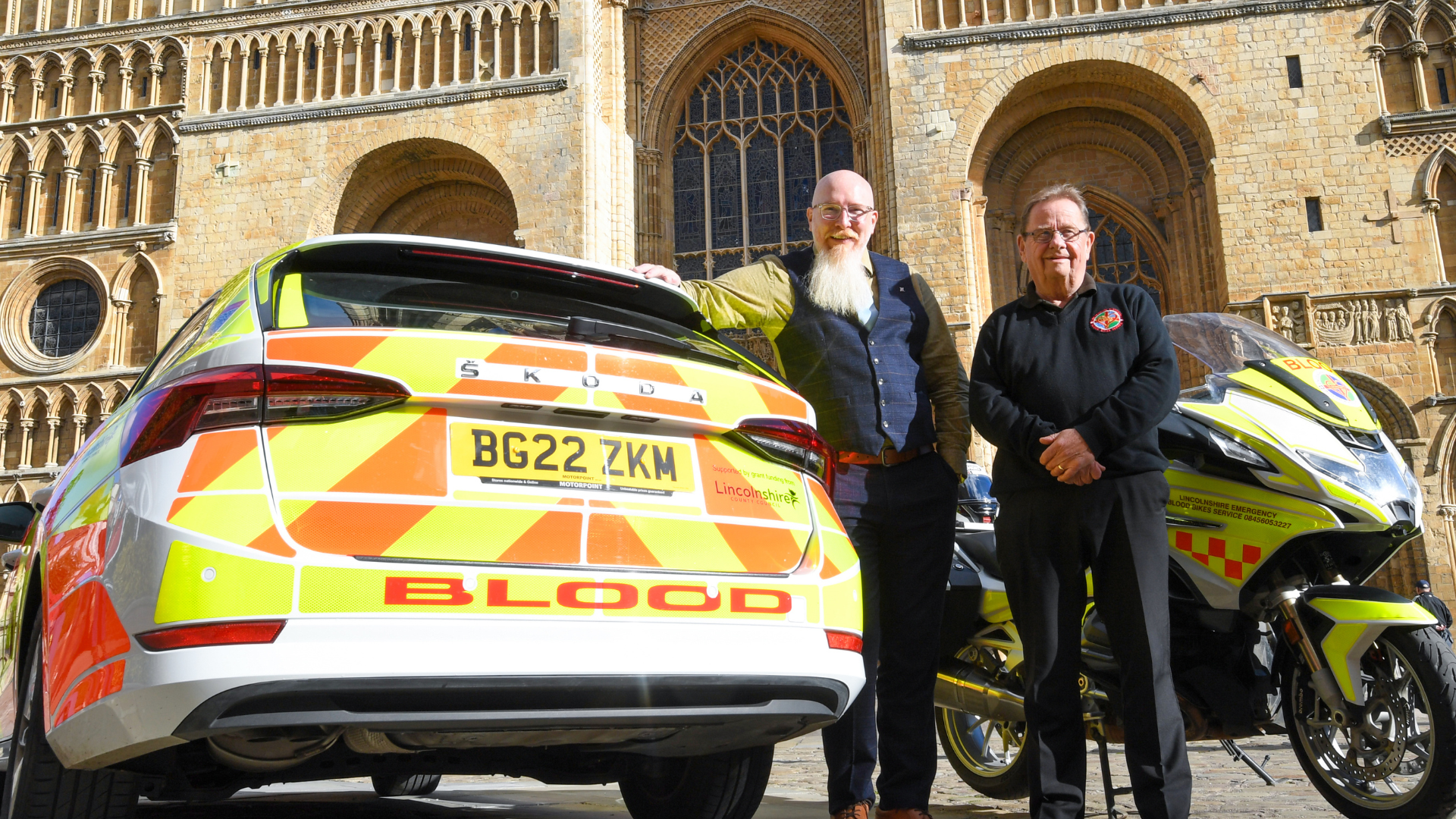 Cllr Alan Woodruff and LEBBS chairman Neville Wright
Council grant fund directly benefits local community projects.
This year we have launched a new grant funding scheme, led by our county councillors who know the needs of local communities.
More than 60 grants have already been paid out to community groups, charities and town and parish councils for a wide range of projects.
Cllr Rob Gibson, deputy leader of Lincolnshire County Council, explains:
“We often invest money in high level projects like roads, buildings and facilities that bring long-term benefits to Lincolnshire, but we know there are also lots of communities that need relatively small amounts of money to make a real difference quickly and at a local level.
“By providing funding to charities and organisations for specific purposes, we are also recognising many of our unsung local heroes and the great work they do.”
Heroes with horsepower
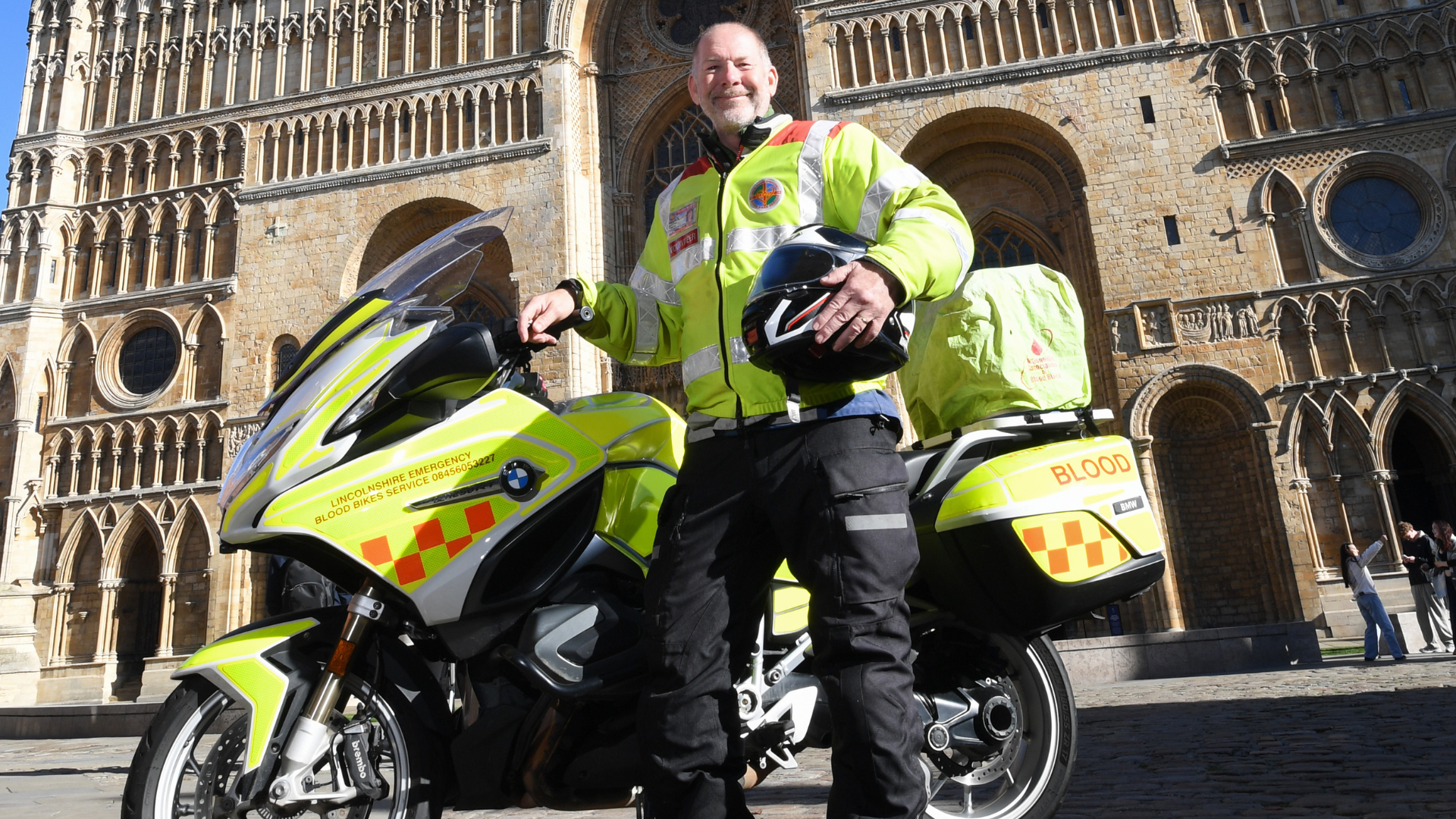 Volunteer blood bike rider Simon Grant
Lincolnshire Emergency Blood Bikes Service (LEBBS) provides an essential emergency courier service to NHS organisations across the county, completely free of charge.
Thanks to a £15,000 grant, the charity has been able to buy a replacement car to add to their fleet of vehicles that last year, travelled an amazing 203,048 miles.
County councillor Alan Woodruff, put the project forward for funding, he said: “My decision to support and endorsefunding for LEBBS was an easy one.
“This charity provides invaluable services 24 hours a day and provides its services free to the NHS. With close to 3,000 hospital visits in 2025 alone, the level of demand is clear.
“Volunteers transport blood, medical samples, medicines, equipment, and other essential supplies for healthcare services across Lincolnshire.”
In addition to the transport of emergency medical supplies around the county, LEBBS provide a 365-day-a-year service delivering blood and plasma to the Lincs & Notts Air Ambulance.
Neville Wright, Chairman of LEBBS, said: “These vehicles are vital to us continuing this most important service and will support many patients within the county on their journey to recovery. We are eternally grateful to both Councillor Woodruff and the council for supporting us.”
Can you dig it
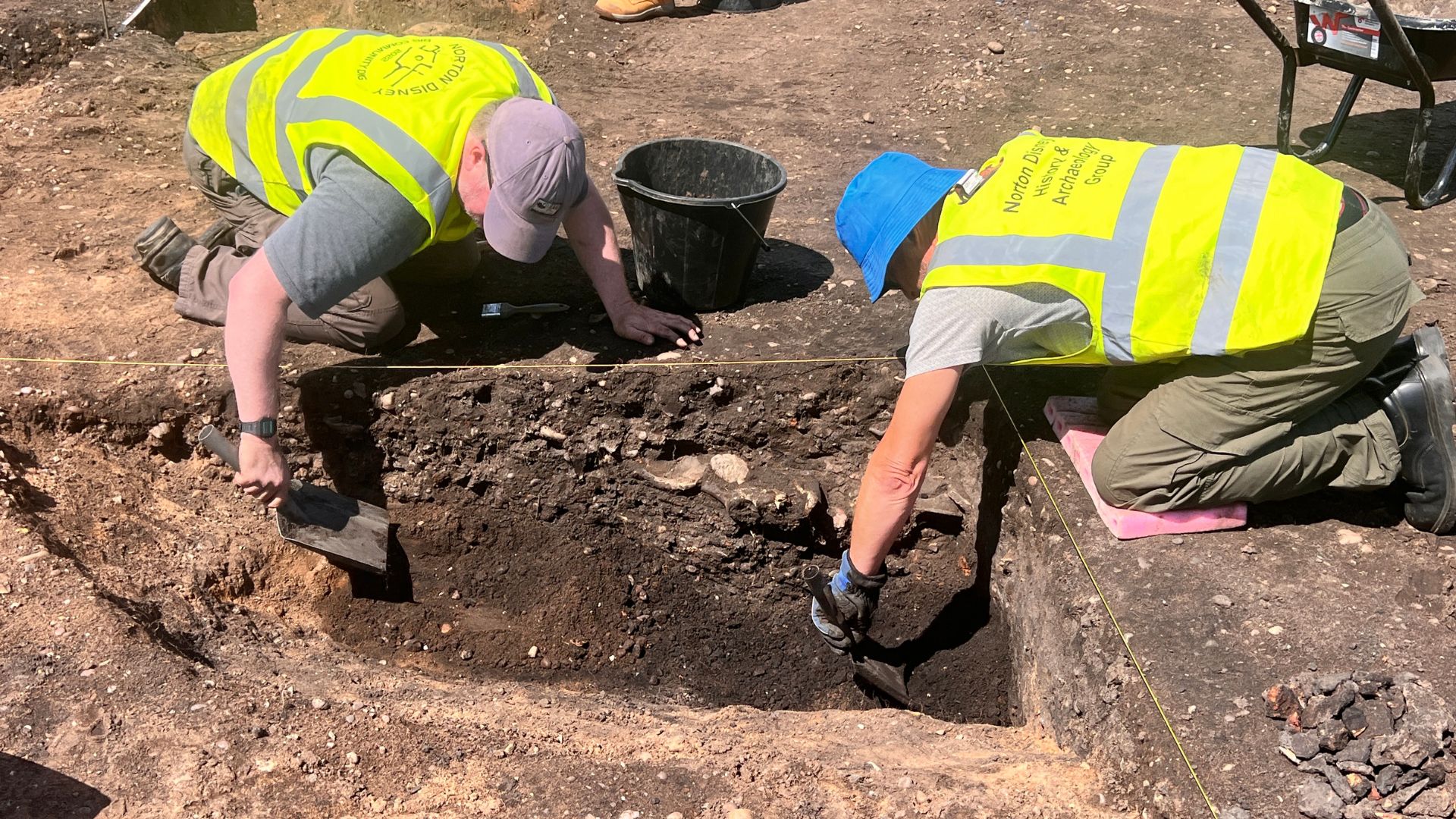 Members of Norton Disney History and Archaeology Group during a dig
Volunteers from the Norton Disney History and Archaeology Group will be able to continue their excavations into a Roman industrial site, thanks to a £6,000 grant.
The group previously excavated part of a site at Potter Hill, and are now able to undertake a further community dig next June. Cllr Marianne Overton MBE, county councillor for Bassingham and Welbourn, applied on behalf of this project.
She said:
“I was delighted to put this project forward. This group have been amazing. These volunteers have taken a professional approach and done a huge amount of work, discovering the very rich history of this area.”
The group have done so much work in the area, including a dig in 2023 that led to the discovery of the ‘Norton Disney dodecahedron’.
Richard Parker, Secretary of the Norton Disney History and Archaeology Group, said:
“We’re really grateful to the county council for this grant. It means we’ll be back on Potter Hill in Norton Disney next year to continue our excavations of the site of Roman pottery kilns. We’ve uncovered some really interesting finds and we’re certain there’s a lot more to find.”
Cheers to volunteers
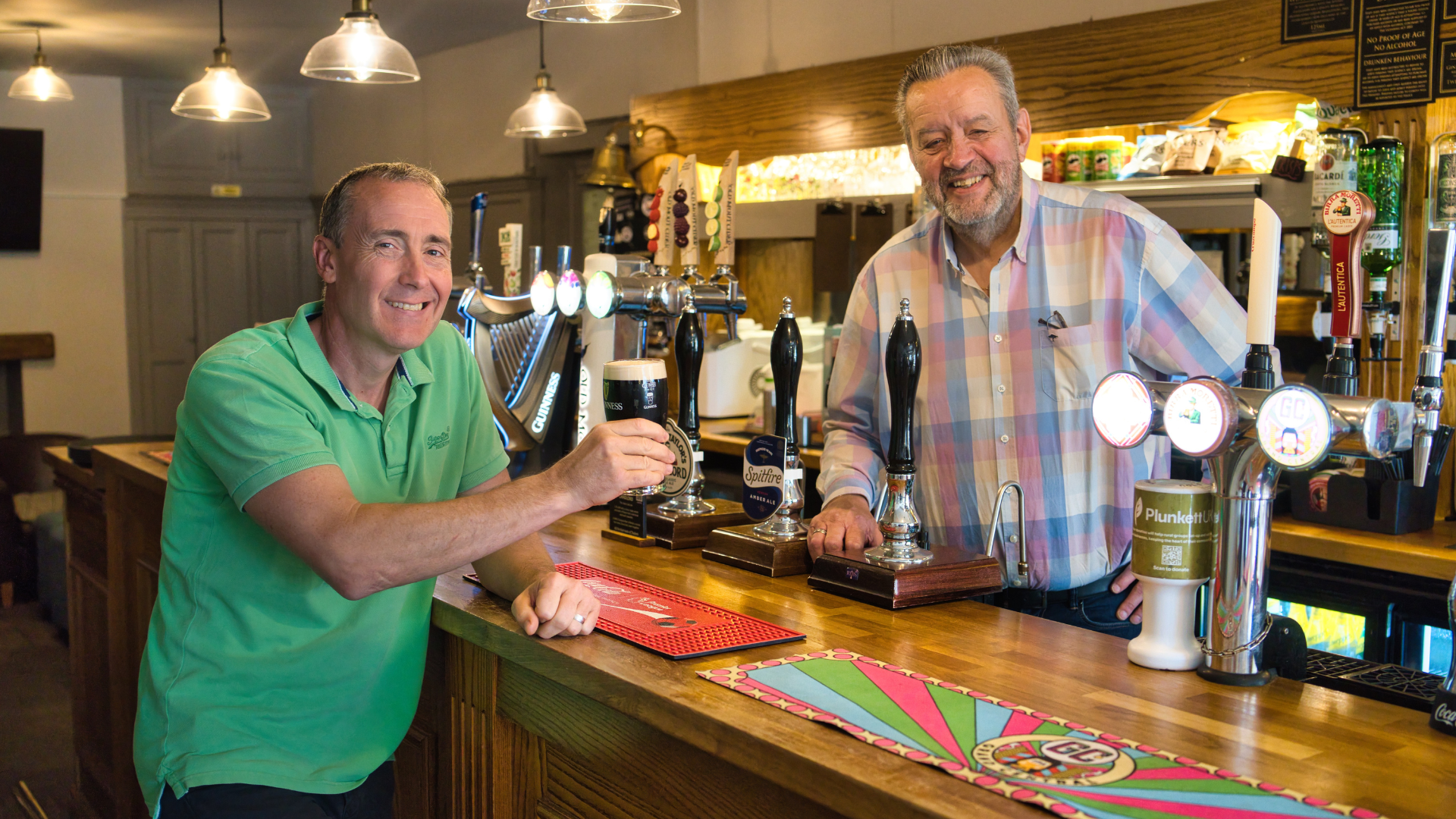 Cllr Ken Bamford with the Thorold Committee member Roy Holden
Volunteers at The Thorold – a community run pub in Marston – have been awarded £4,500 to refresh the interior and replace a fire door. County councillor, Ken Bamford, put the project forward for funding.
He said: “The volunteers who keep the pub and shop going do a fantastic job in maintaining this valuable and muchloved community asset.
“Pubs are at the heart of rural village life, and no more so than here in Marston, so I was delighted to be able to support this project with funding from the newly created councillor grant fund at Lincolnshire County Council.
Chair of Marston Parish Council, Chris Stephens, said:
“We are very grateful to Cllr Ken Bamford and Lincolnshire County Council for their support with grant funding of £4,500 for internal decoration and a new fire door. This will play an important part in helping this much needed community asset and shop to keep serving the population of Marston and Hougham.
“The project includes new curtains and other acoustic measures to dampen noise and a much-needed general interior update. It will allow the society to concentrate on what they do best - welcoming new customers, young or old to the Thorold Community Pub and Shop.”
Find out more
Right across Lincolnshire we’ve invested in over 60 projects as part of this year’s Councillor Community Grant Fund – from village hall improvements, flood pumps, and tree planting; to summer fairs, community barbecues, and sports clubs.
Find information about the grants available and what has been funded so far.
Riding high after cycle spectacular

Legacy felt across Lincolnshire after Tour of Britain wows crowds and lifts community spirit.
Back in September, the streets of uphill Lincoln burst into life with 8,000 excited supporters cheering on the athletes taking part in the Lloyds Tour of Britain men’s race.
Some of the world’s best cyclists competed, starting in the city and following the route through the Lincolnshire Wolds and back, with spectators lining the route to support the riders and soak up the atmosphere. Stage 2 of the event saw the riders charging through the streets of Boston and Skegness.
But, after the crowds departed and the dust had settled, what is the legacy of such an event and the benefit for our county?
Cllr Natalie Oliver, executive member for culture at Lincolnshire County Council, said:
“What a fantastic event it was for Lincolnshire. It was brilliant to see so many people come out to support the Tour of Britain and create such an incredible atmosphere.
“Bringing an event of this scale to Lincolnshire gave us a fantastic opportunity to showcase our county, our communities and our stunning landscapes.
“From the crowds lining the streets to the buzz around the Tour Village in the grounds of Lincoln Castle, it was clear just how much excitement there was for the race. I’d like to thank everyone who came along, volunteered, supported the event and helped make it such a success.”
Data from the event is now being analysed to better understand the impact it had and the benefits it brought to local businesses. With TV coverage, visitors from around the world and a great boost for community spirit, it is widely thought that it will encourage more visitors to Lincolnshire as well as encouraging people to get on their bikes to explore our great county.
Cllr Natalie Oliver added: “One of the really special things about bringing an event like the Tour of Britain to Lincolnshire has been seeing communities get behind it.
“Caistor in particular went all out, with decorated bikes, Lincolnshire flags, music, community competitions and even a group of Roman Centurions ready to welcome the riders. Woodhall Spa, Market Rasen and many other communities also found their own ways to celebrate.”
The race itself saw over 100 riders take on the 113.4 miles (182.5km) including 1,315m of ascent.
The competitors finished on Newport having tackled the ‘Michaelgate climb’ in the city five times to end the race. NSN Cycling Team rider Lewis Askey was crowned the winner.
Find out more about the Lloyds Tour of Britain.
Brothers in arms
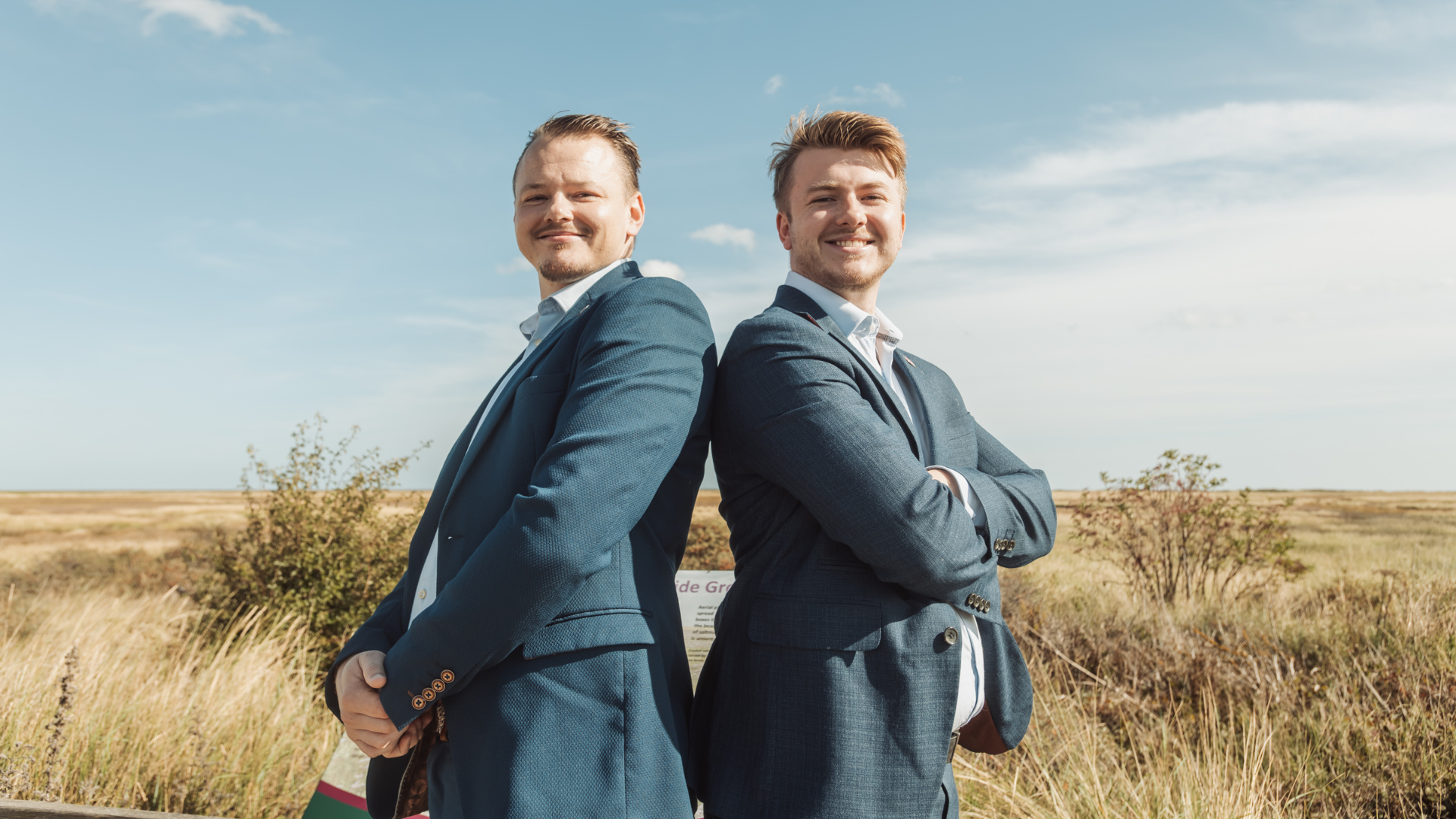 Ruben and Bayleigh Robinson
Meet the siblings who have brought family ties to the council chambers.
Stepping into politics can be a steep learning curve, but for brothers Ruben and Bayleigh Robinson, it’s a challenge they’re tackling together.
After being elected onto Lincolnshire County Council, representing Mablethorpe and Saltfleet and The Cotes, the brothers say having each other has made finding their feet in local government a lot easier.
From navigating council procedures to supporting residents, they have been able to share experiences and learn from one another as they settle into their new roles.
“When we were younger and living at home, there was an element of competitiveness between us and our older brother Dominic, but now we listen and learn from each other,” explained Bayleigh, who at 25, is six years younger than big brother Ruben.
“I would say we take a lot of our interests from each other,” added Ruben. “It was actually our older brother Dominic who was first to get into local politics as a parish councillor, so I guess we can blame him for the direction we have both taken.”
With the two brothers elected to neighbouring divisions, the issues effecting residents are many and varied. But the brothers agree on the best way to help people.
“The one thing I think we’ve both found is that you can’t help people properly on the end of a phone or through an email,” said Ruben.
“You have to go to them and deal with their problems face to face. That way, you can get an accurate picture of the issue that’s affecting them.” he added.
“But, not only that,” added Bayleigh. “You can actually get a feel for how passionately they feel about the issues and I think that is very important.”
When they were elected in May 2025, one of the biggest local issues for residents was the proposed nuclear waste storage facility off the coast of Theddlethorpe.
But the new administration of the council chose to withdraw from the partnership behind the development, effectively ending the project in Lincolnshire.
“It was clear how strongly people felt against this proposal, and both Bayleigh and I felt the same way,” explained Ruben.
“As much as there were some positive things it might bring indirectly to the area, ultimately, it would have led to Mablethorpe being known nationally as a dumping ground for nuclear waste.”
Bayleigh added: “Mablethorpe is such a beautiful place and, in fact very much under-rated, so we couldn’t let that happen to such a lovely coastal town.
We took an enormous amount of satisfaction as a council in bringing an end to that development,”
The two brothers have very different day jobs, after chasing independence and trying to follow their own path, however, as county councillors, they now seem to have discovered they are still very much aligned.
Ruben represents Mablethorpe and is vice chairman of the Economy and Investment Scrutiny Committee and also sits on the Environment Scrutiny Committee.
Bayleigh represents Saltfleet and the Cotes and sits on the Children and Families Scrutiny Committee, Community Safety Scrutiny Committee and Economy and Investment Scrutiny Committee.
Bold, beautiful Boston
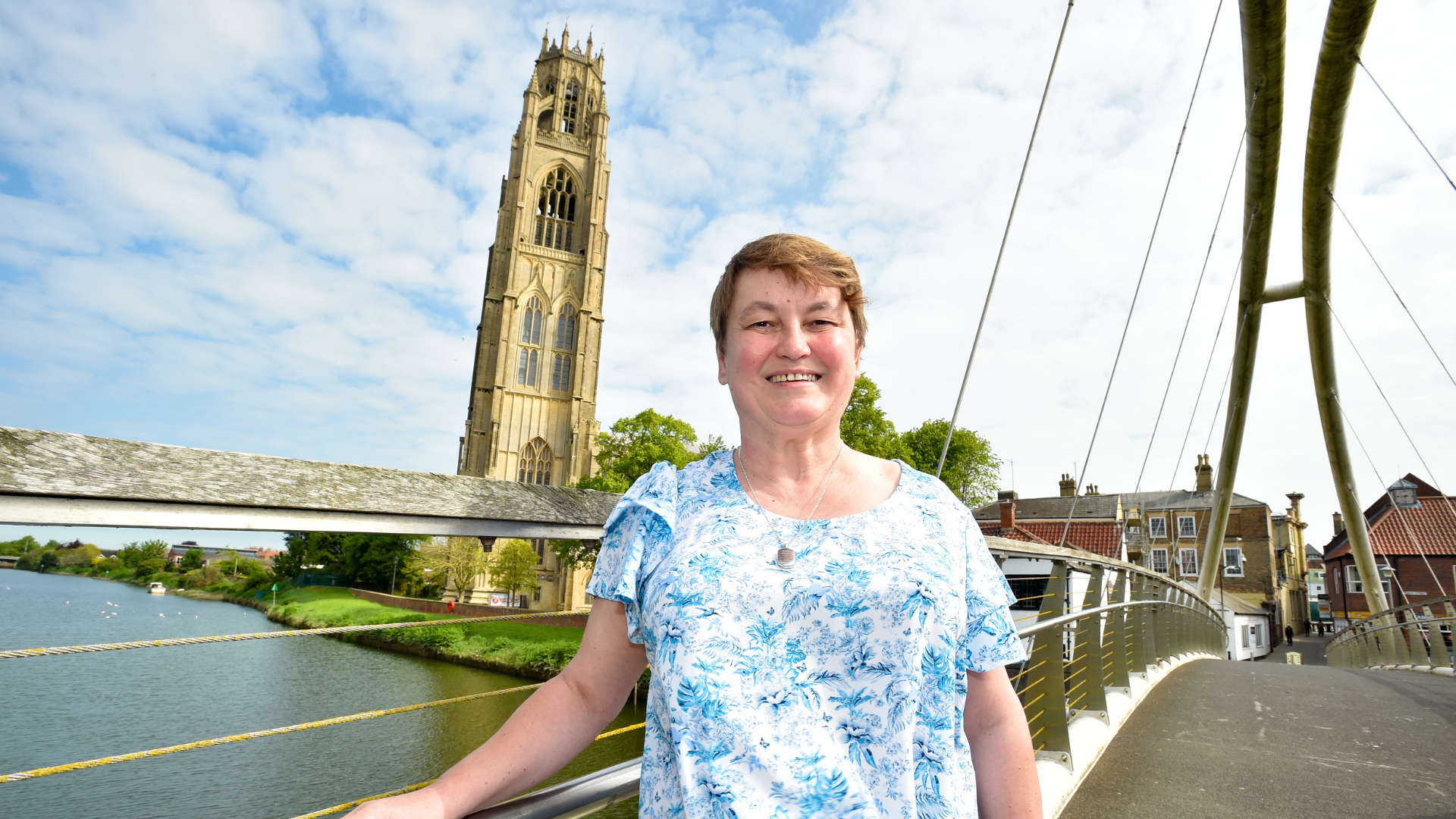 County councillor for Boston North, Cllr Maggie Cullen
Remembering their rich heritage to help shape a bright future.
Just like its famous ‘Stump’, the town of Boston once reached spectacular heights as one of the most important ports in England.
Boston’s links to the Pilgrim Fathers, maritime past, and iconic church tower of St Botolph’s, attract visitors and make it one of Lincolnshire’s most distinctive and historically significant towns.
County councillor for Boston North, Cllr Maggie Cullen, said:
“It took me about three years to work up the courage to scale the Stump, but it was well worth it because the views are stunning, especially on a clear day.
“But there is lots about Boston that we should all shout about. Take a trip up the Witham on the Boston Belle and out into the Wash. It will give you a completely different perspective of the town. You might even catch sight of seals sunning themselves on the banks, a variety of birdlife, or even a shark. Honest!”
In recent times Boston has developed as more of an agricultural and trading centre serving the fertile Lincolnshire Fens.
Today, Boston, with its 45,000 residents, combines its medieval heritage with modern industry, retail, and services.
Lincolnshire County Council has been supporting both business growth and the town’s workforce. At Merlin Terrace, council-owned workspace has helped Agriseeds (UK) Ltd grow its business in Boston.
The specialist seed company supplies vegetable and salad seeds to professional growers in the region and across the UK.
In providing business friendly, flexible lease arrangements and support, the county council has supported the company to develop from its Boston base, helping to retain vital skilled jobs locally.
The council is also helping to fund training facilities for Boston’s future workforce. As part of a £2.5m investment in agrifood skills and training from the Greater Lincolnshire devolution deal, Boston College secured £699,000 to create a state-of-the-art Agrifood Hub.
The facility will help the college deliver specialist training on the cutting edge of agriculture like hydroponic farming, sustainable food production and innovative product development.
When nature needs a helping hand
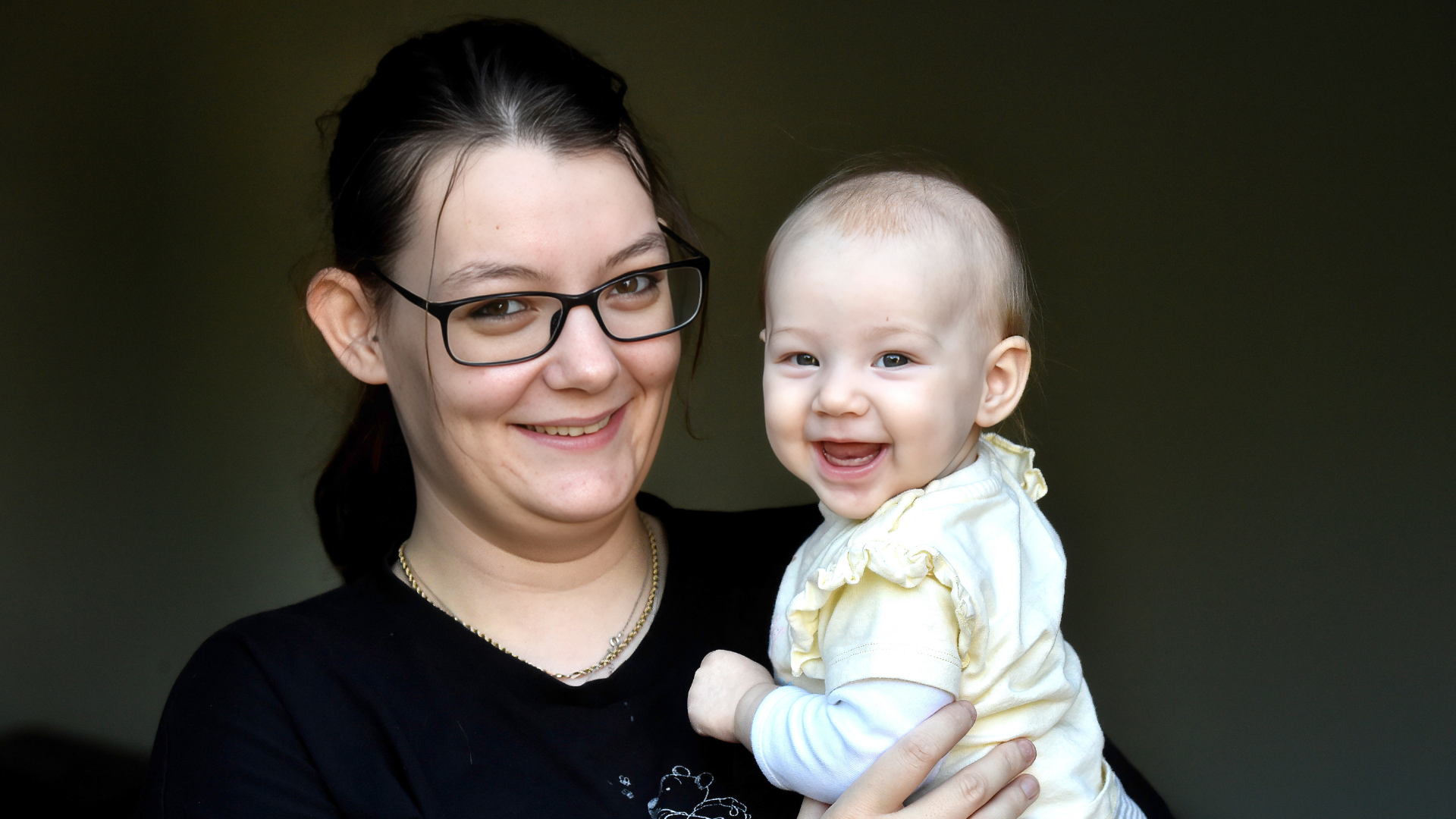 Jess King and daughter Alice
“I thought breastfeeding my baby would come naturally - I couldn’t have been more wrong.”
For new mum Jess King, the past few months have been an emotional rollercoaster.
When daughter Alice arrived at Boston Pilgrim Hospital in May, Jess was determined to breastfeed. Like many expectant mums, she assumed it would happen naturally. But reality often proves to be very different.
“People always tell you feeding a new baby is the most natural thing in the world,” said Jess. “But, if it doesn’t happen straight away, you start questioning yourself. You feel inadequate and somehow failing.”
Despite finding feeding painful, Jess believed everything was going well because Alice seemed content. Then, just days after bringing her home, things took a worrying turn. Alice developed irregular breathing and was taken to hospital, where doctors discovered she was dehydrated.
“I was horrified when I found out she wasn’t getting enough milk from me,” Jess recalls. “But the midwives and infant feeding team were amazing. They were so patient, reassuring and supportive.”
Now looking back on those difficult early weeks, Jess has one message for other new mums: don’t struggle in silence!
“If you want to breastfeed, keep going,” she added.
“It can be incredibly challenging, but there is specialist help available. Never be afraid to ask for help or advice. You’re not alone.”
A major breakthrough came thanks to United Lincolnshire Hospitals Charity, which provided her with a breast pump.
“Using the pump dramatically reduced the pain and really helped my milk supply improve,” Jess explained. “For the first time, I felt like things were moving in the right direction.”
Just when life seemed to be settling down, another challenge arrived. At just three weeks old, Alice was rushed to Queen’s Medical Centre in Nottingham with suspected viral meningitis. She became too poorly to feed and, as the stress and exhaustion took their toll, Jess also became unwell and her milk supply stopped completely.
Whilst Alice is now doing well, this was yet another setback for Jess during a daunting first journey into motherhood.
“Feeding your baby naturally doesn’t always go to plan,” Jess added. “But there are people who can help you through it. Reaching out was the best thing I ever did.”
Find out more about feeding your baby at Best Start in Life.
‘A magical time’ for mums
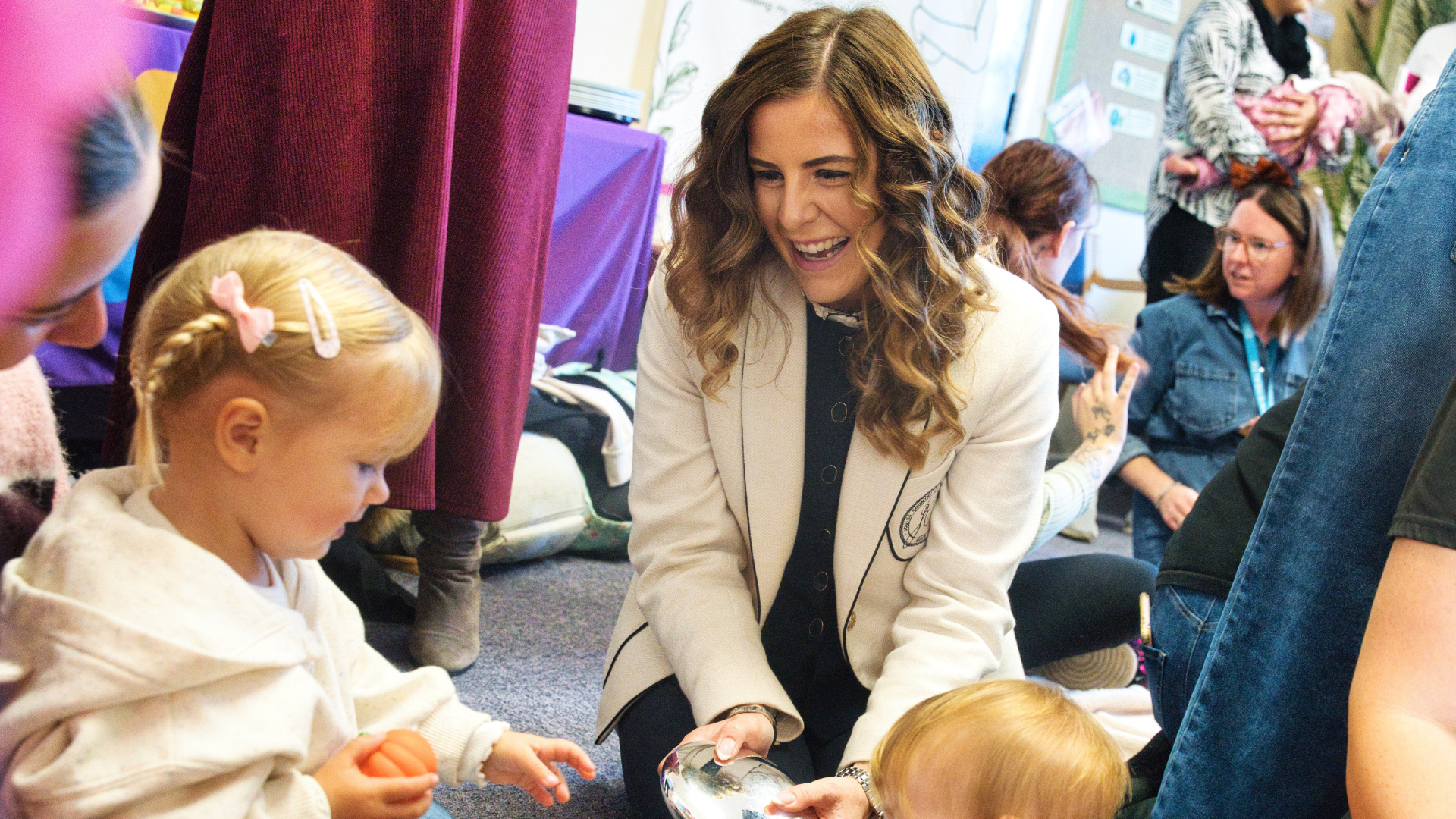 Cllr Natalie Oliver at the launch of the new infant feeding strategy at Skegness Family Hub.
Since becoming executive councillor for children’s services, Cllr Natalie Oliver has been working hard to improve breastfeeding support across Lincolnshire.
She said: “My memories of breastfeeding my children will always stay close to my heart. It was such a magical, precious time, and the bond we shared was truly incredible. Breastfeeding gives such a positive impact on the relationship between a mother and her child, while also providing vital health benefits for babies, helping to protect them from infections and supporting their healthy development.
“I was fortunate to have family and friends around me to offer love and support when things felt challenging. I know not every parent has that same support to turn to, and that’s something I feel very strongly about changing.
Every family deserves the right support to give their child the healthiest possible start in life.
“We know so many mums want to breastfeed, and I want every one of them to feel supported and encouraged. There is already wonderful help available through our health visitors, breastfeeding champions and local support groups. So, if you’re finding things difficult, please reach out.
There is so much support out there, and you don’t have to do it alone.”
Find out more about giving your baby the best start in life.
High-tech hopes for newest member of council exec
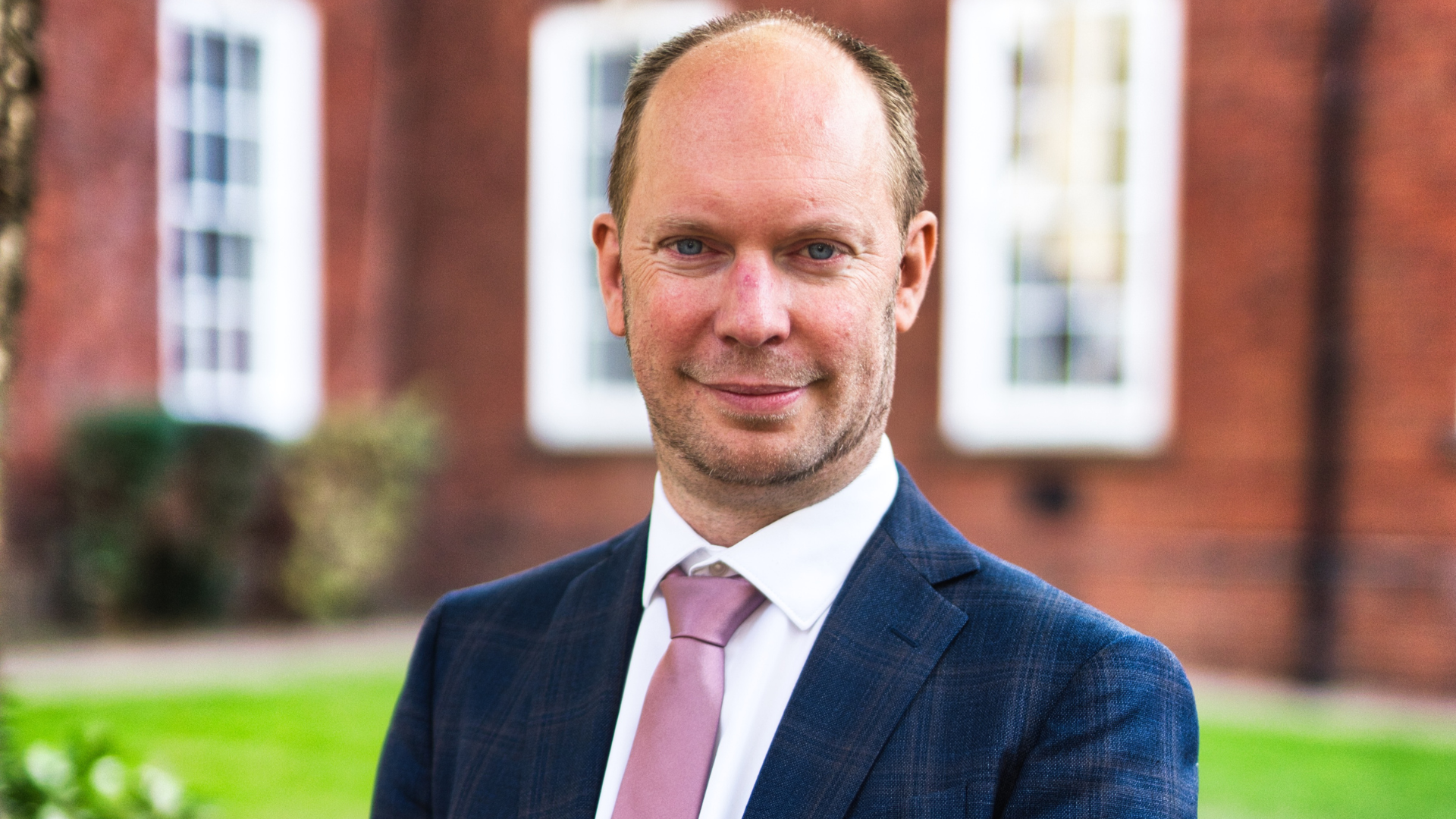 Cllr Paul Lock
As an IT consultant working in cyber security and also with nine years experience as a school governor, Cllr Paul Lock says he can bring ‘real lived experiences’ to his new role on the council executive.
The county councillor for Boston Rural is the most recent addition to the council’s executive and is relishing his new highprofile position.
“It’s been really good so far,” he said.
“It’s not about you as an individual, it’s about what you can bring to the job.”
And it seems Cllr Lock is bringing lots to the job, with exciting times ahead for the authority in terms of IT advancement.
“In our Children’s Services and Adult Care services, the burden on staff can be immense. Many of them are on 40-hour per-week contracts, but in reality, they could be doing double that, which brings an enormous amount of pressure.
“There is a lot foundational work going on which people will soon start to see.” he added. “We will soon go live with some apps which will dramatically reduce the workload for some council staff and elected members.
“The technological advances that we’re looking at will help staff reduce the time it takes to complete the administration part of their job, which will be amazing.”
Cllr Lock says there are great examples of community togetherness in the parishes that surround Boston with activities, clubs ad coffee morning going on in many of them.
“The sense of belonging and living well together in small towns and villages is clearly evident and I do try to get to as many of the coffee mornings as well as the more formal parish meetings, as possible,” he said.
Help give children a safe and loving start

Every child deserves the chance to grow up in a stable, caring family. Right now, children of all ages across Lincolnshire need foster carers who can offer the consistency, encouragement and a sense of belonging to help them thrive.
Fostering is more than providing a spare room. It’s celebrating achievements, creating memories and helping a child feel supported, valued and loved - the impact you can have is lifelong.
Lincolnshire Fostering Service is urgently recruiting foster carers from all walks of life. Whether you’re single, married, working, retired, have children of your own or not, you can make a difference to a child’s future.
When you foster with Lincolnshire Fostering Service, you’ll receive comprehensive training, ongoing support and a dedicated professional team by your side. One caring adult can change the direction of a child’s life - that person could be you.
Find out more about fostering.
Listening to our next generation workforce

Young people in Lincolnshire can now tell us what they want from a career in Lincolnshire County Council – whether they are pursuing jobs in engineering, social work, finance, legal, and many more sectors.
We want to understand what the next generation of council employees expect, and we are listening to their views directly.
This will help the council design career programmes that meet their expectations, and offer support that is clear, relevant and useful.
Information from young people will then shape work experience for students and ‘first job’ opportunities to help them move towards their chosen career.
Tell us what you want from a career with the council.
Protect yourself this winter

Alongside the colder, winter months comes the dreaded flu season and we’re encouraging everyone to protect themselves with a jab.
If you are over 65, responsible for young children, or have an underlying medical condition, you can receive the vaccination free of charge at your GP surgery or school.
Even if you are not eligible for the free jab, it costs less than £15, which is a small price to pay for protection which will last throughout the winter and could save lives.
It is the responsibility of us all to minimise the risk for vulnerable groups, such as babies, young children and older people. Getting the flu jab is quick and easy, so protect yourself and your family this winter.
More information regarding flu jabs this winter.
New tip system will cut the queues
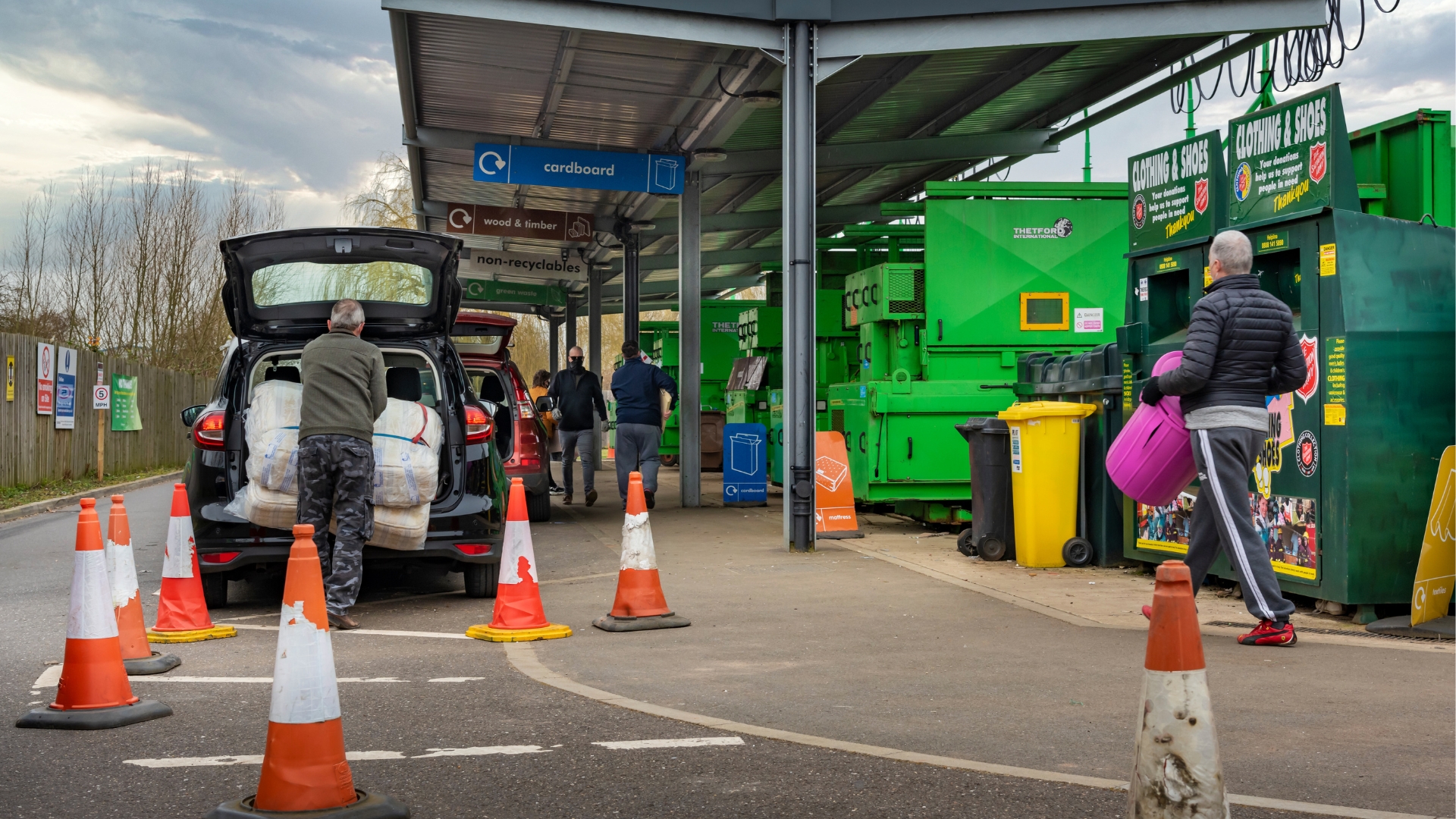
Our recycling centres welcome around 1.2 million visits each year, and we know that at busy times queues and congestion can cause frustration, as well as creating challenges for our on-site teams.
That’s why we’re introducing a new booking system to make visits safer, smoother and more convenient by spreading demand more evenly throughout the day, reducing queues and helping our teams manage sites and waste more effectively.
Importantly, this is about managing demand, not restricting access. You can book a slot for 7 December onwards at any of our 11 Household Waste Recycling Centres across Lincolnshire.
You’ll be able to book up to two weeks in advance, with same-day slots also available.
Find out more about how to book.
Myths vs Facts
Let’s clear up a few common myths:
- Myth: “Booking means it’ll be harder to visit the tip.”
Fact: There’ll be at least enough slots for the number of residents currently using our recycling centres. Booking simply spreads visits more evenly across the day. - Myth: “I’ll have to plan my trip weeks in advance.”
Fact: You can book up to two weeks ahead, and some slots will be available to book on the same day. - Myth: “I won’t be able to book if I’m not online.”
Fact: You can book online, but if you don’t have internet access you can make a booking through our Customer Service Centre. - Myth: “Making people book will increase fly-tipping.”
Fact: Fly-tipping is a crime; we don’t believe that Lincolnshire residents are criminals. Evidence from other areas showed fly-tipping going DOWN after a booking system was introduced.
The benefits of booking
- Less queuing - By spreading visits more evenly throughout the day.
- Smoother visits - By reducing busy peaks when lots of people arrive together.
- Ssafer sites - By helping teams manage traffic and the centres more effectively inside and outside the sites.
- Helps us improve - Booking gives us better information about how and when our sites are used, helping us plan further improvements to site access.
Read On – Couch to 5k, but for reading!

Want to get into the reading habit but don’t know where to start? The new Read On app is here to help.
The Read On: Build a Reading Habit app is designed for anyone who would like to read more by building it into everyday life through logging reading minutes and tracking their reading journey.
The app helps you build a consistent habit that fits around your life and lets you log your reading minutes. Think Couch to 5k, but for reading!
The app tracks reading in minutes rather than pages, which means logged minutes build up over time to show the habit being sustained and growing.
The app does not limit reading to books though but accommodates multimodal reading – audiobooks, magazines, blogs in hard copy and digital – they all count.
And it helps in more ways than you think - research shows that reading for pleasure reduces feelings of stress.
The Read On: Build a Reading Habit app is available to download on Google Play and the App Store - just log your local Lincolnshire library as your ‘home’ library.
Help us record our mud and stud buildings
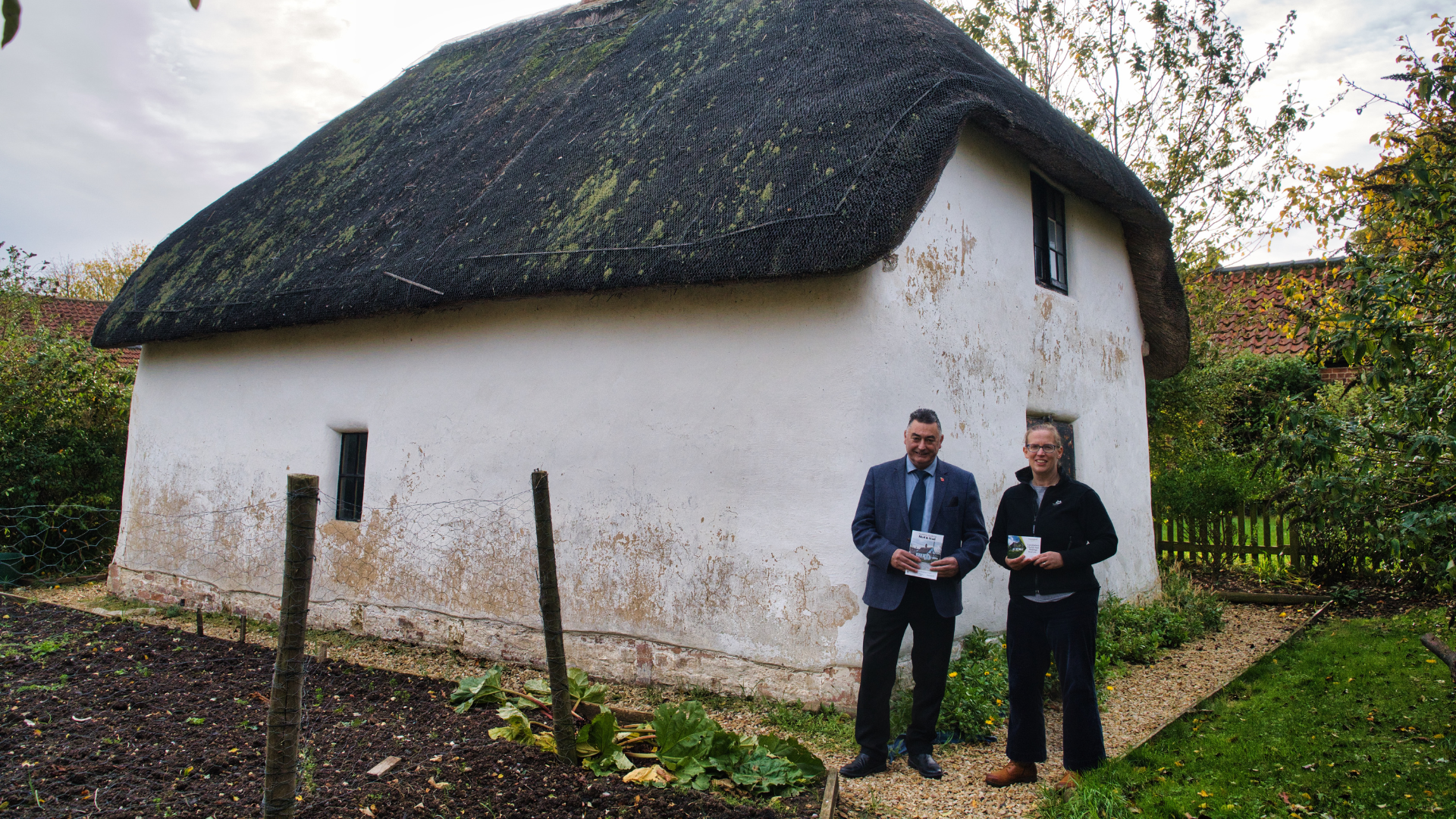 Cllr Danny Brookes with Jenne Pape, mud and stud buildings project officer, at the Village Church Farm Museum in Skegness.
An exciting new project to map Lincolnshire’s unique mud and stud buildings is underway – and we need your help!
‘Mud and stud’ was a traditional form of building favoured by ordinary people that made use of the resources available on their doorsteps from the 16th century to the late 1800s.
Now, a project funded by Historic England has been launched to record surviving examples of mud and stud properties and increase our understanding of this technique.
If you know of a building which you think is (or was) mud and stud, please let us know! Every entry we receive will contribute to the field survey, with results recorded in the Historic Environment Record and made available publicly online.
Cllr Danny Brookes, executive councillor for environment at Lincolnshire County Council, said:
“These unique properties are a precious part of our great county’s heritage and a real testament to the resourcefulness of generations of Lincolnshire residents, and I’m proud we are helping to document and preserve them.”
Know of a mud and stud building? Add it to our interactive map and help us record Lincolnshire’s unique building heritage.
Hidden dangers of flood water

In winter, the weather has a way of reminding us how quickly things can change on Lincolnshire’s roads.
One heavy downpour and suddenly a stretch of tarmac can become a shallow stream. Lincolnshire’s drainage network works hard, but even the best systems can be overwhelmed.
Even with the best preparation, there are moments when the water simply builds too quickly. That’s when the problems start. A single car pushing through flood water creates a bow wave, which moves forward and rolls sideways, over kerbs and straight towards homes and businesses.
There is also the risk that flood water can hide a lifted manhole cover, a pothole or a chunk of broken road. Flood water can also cause engines to fail, electrics can short, and insurers often won’t cover the cost if the vehicle was driven into flood water.
The message is simple - avoid flood water wherever you can and never drive through water deeper than ten centimetres. If there is no other choice, and your engine stops, don’t try to restart it. Call for help and get the vehicle taken to a garage.
If you need to report flooding go to FixMyStreet.
Find out more about driving during heavy rain and surface water.
Wild time for County News winners

Five lucky Lincolnshire residents and their guests enjoyed a ‘wild’ day out at Market Rasen Racecourse courtesy of County News.
Rebecca Needley (Boston), Nigel Stephenson (Middle Rasen), Lesley Wadsworth (Spalding), Anthony Halliday (Sleaford) and Lettisha Beecroft (Swinstead) each won a pair of tickets for the Wild West Beer Fest as it returned to Market Rasen in September.
Our five winners were part of the 5,000 strong crowd which enjoyed top-quality racing, live music and line dancing during the popular event.
The county’s only racecourse is now gearing up for it’s hugely popular Boxing Day meeting.
Tickets are selling fast for the traditional Christmas day out, which features the Lincolnshire National and is sponsored this year by Rand Farm Park.
Better prepared for emergencies
You may have seen the new government campaign encouraging people to be ready for emergencies.
In Lincolnshire we’ve done lots of work around this over the years, and have a dedicated website to support residents and communities to prepare for, respond to and recover from any emergency situation.
Flooding is our main risk in the county and you can also find guidance on this specifically and lots of other useful resources. This includes guidance for community groups on how to make a plan for your local area.
Ian Reed, head of emergency planning at the county council, said
“Emergencies can happen at any time and this could range from being without water or power for a short time, through to having to evacuate your home. If you have an emergency kit and some provisions at home to last for a few days, you will already be better prepared.”
Find lots of useful information at www.lincolnshireresilienceforum.org.
Pause for planned local council changes

Back in 2024, the government announced that they wanted all councils to be ‘unitary’ authorities. This is often referred to as Local Government Reorganisation or just ‘LGR’.
For Lincolnshire, the current county council and seven district councils would be replaced with one or more new councils providing all services.
Various models were proposed and consulted upon, and in July, the government announced its preferred model for LGR in Lincolnshire which was for the creation of two new unitary councils – a ‘Lincoln’ council and a ‘Lincolnshire’ council.
However, in September, the government paused LGR to carry out a rapid review of the decisions made – saying they had received updated legal advice and wanted to make sure that reorganisation met the new administration’s priorities.
We have now been told that the decision for Lincolnshire has been withdrawn by government and a new decision is expected in the next few months. They are not asking for us to propose any new models for our area.
Cllr Sean Matthews, leader of Lincolnshire County Council, said:
“While I’m glad that the decision for Lincolnshire has been withdrawn, we’re essentially back in the same place we were before the government announced their chosen model in July. There are still four proposals on the table, a loose timeline and continuing uncertainty; the government has taken a three-month step backwards.
“I’m not surprised if residents are confused about what is happening. But whilst the uncertainty continues in Whitehall, rest assured we’re focussed on getting on with the day job and delivering services that support our residents, our communities and our county.”