What happens to your waste after collection?
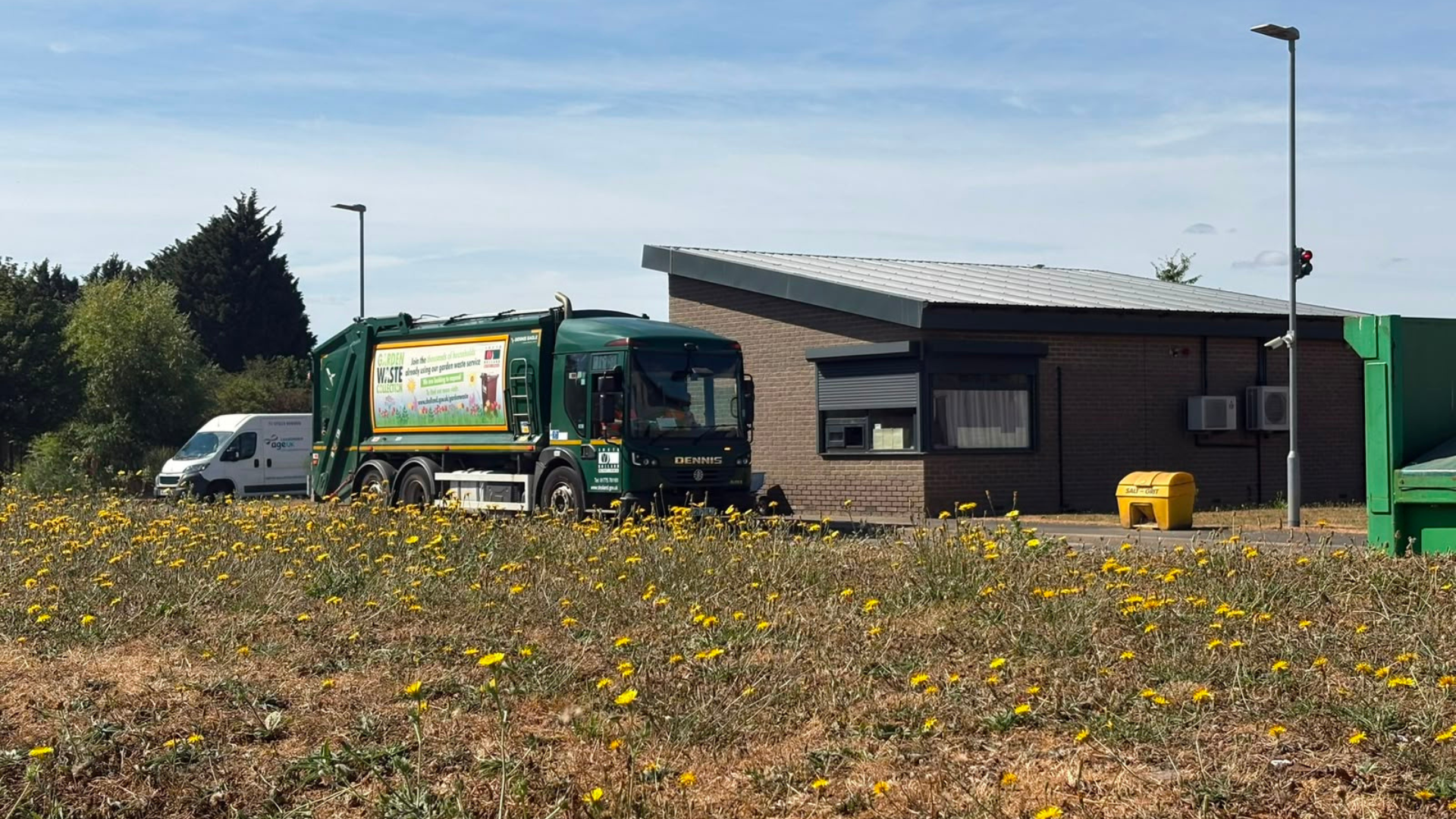
Once your bins have been emptied and the collection vehicle disappears down the road, have you ever wondered where everything goes next?
For most of us, that’s the point where our part in the process ends. But for Lincolnshire’s waste and recycling teams, it’s just the beginning.
Every day, tonnes of household waste and recycling collected from homes across the county arrive at Lincolnshire’s Waste Transfer Stations, where teams work behind the scenes to keep materials moving safely and efficiently to their next destination.
Our latest video takes you inside one of these facilities to follow a typical day and meet some of the people who help keep Lincolnshire’s waste services moving.
First stop: the weighbridge
When a collection vehicle arrives at a Waste Transfer Station, one of its first stops is the weighbridge.
Here, the vehicle and its load are weighed and details including the vehicle, material being carried and where it has come from are recorded.
Once everything has been checked, the vehicle can make its way into the site and tip its load into the appropriate area.
Different materials are kept separate, including general waste, mixed recycling, paper and card, and food waste, ready for the next stage of their journey.
Checking the quality of our recycling
There’s another important job taking place behind the scenes too.
Samples of recycling arriving at our transfer stations are regularly checked to understand what residents are putting in their recycling bins.
The material is carefully sorted and assessed, helping us monitor the quality of Lincolnshire’s recycling and identify common items that have been placed in the wrong bin.
These checks give us valuable information that can be used to improve services and help residents understand how they can recycle correctly at home.
Putting the right thing in the right bin really does make a difference.
Where does everything go next?
A Waste Transfer Station is just that – a transfer point.
Once enough material has been collected, larger vehicles transport it onwards for treatment or processing.
Depending on the material, that could mean recycling being sorted and turned into new products, paper and card being sent for reprocessing, food waste being transformed through anaerobic digestion, or general waste being used to generate energy.
Moving material in larger loads also makes the onward journey more efficient than individual collection vehicles travelling directly to each processing facility.
The people behind the service
While bins and collection vehicles may be the most visible part of our waste services, there is a whole network of people and facilities working behind the scenes.
From weighbridge operators and site teams to recycling sampling staff and drivers, each has an important role to play in managing Lincolnshire’s waste and recycling.
So, the next time your bin is emptied, remember: its journey is far from over.
Watch our video and come behind the scenes to see what happens during a day at one of Lincolnshire’s Waste Transfer Stations:
Day the the life of a Waste Transfer Station